
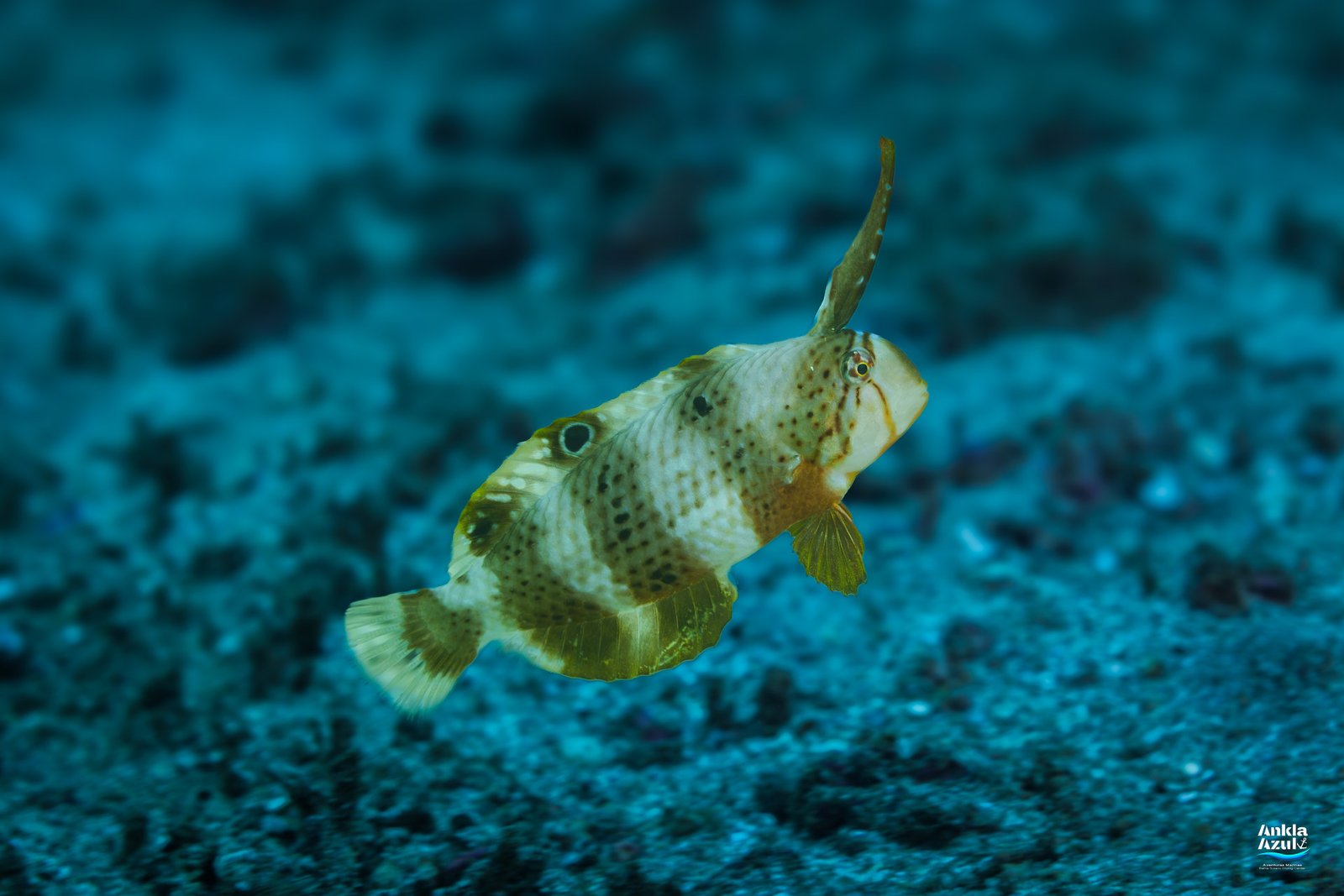
Mexican Hogfish (Female)
Bodianus diplotaenia
The Mexican Hogfish (Bodianus diplotaenia) is a large, shape-shifting Eastern Tropical Pacific wrasse whose initial-phase females display pale yellowish bodies with reddish-brown cross-hatching, two broken dark stripes, and bright yellow tails across rocky reefs (5–76 m) in Bahía Solano.
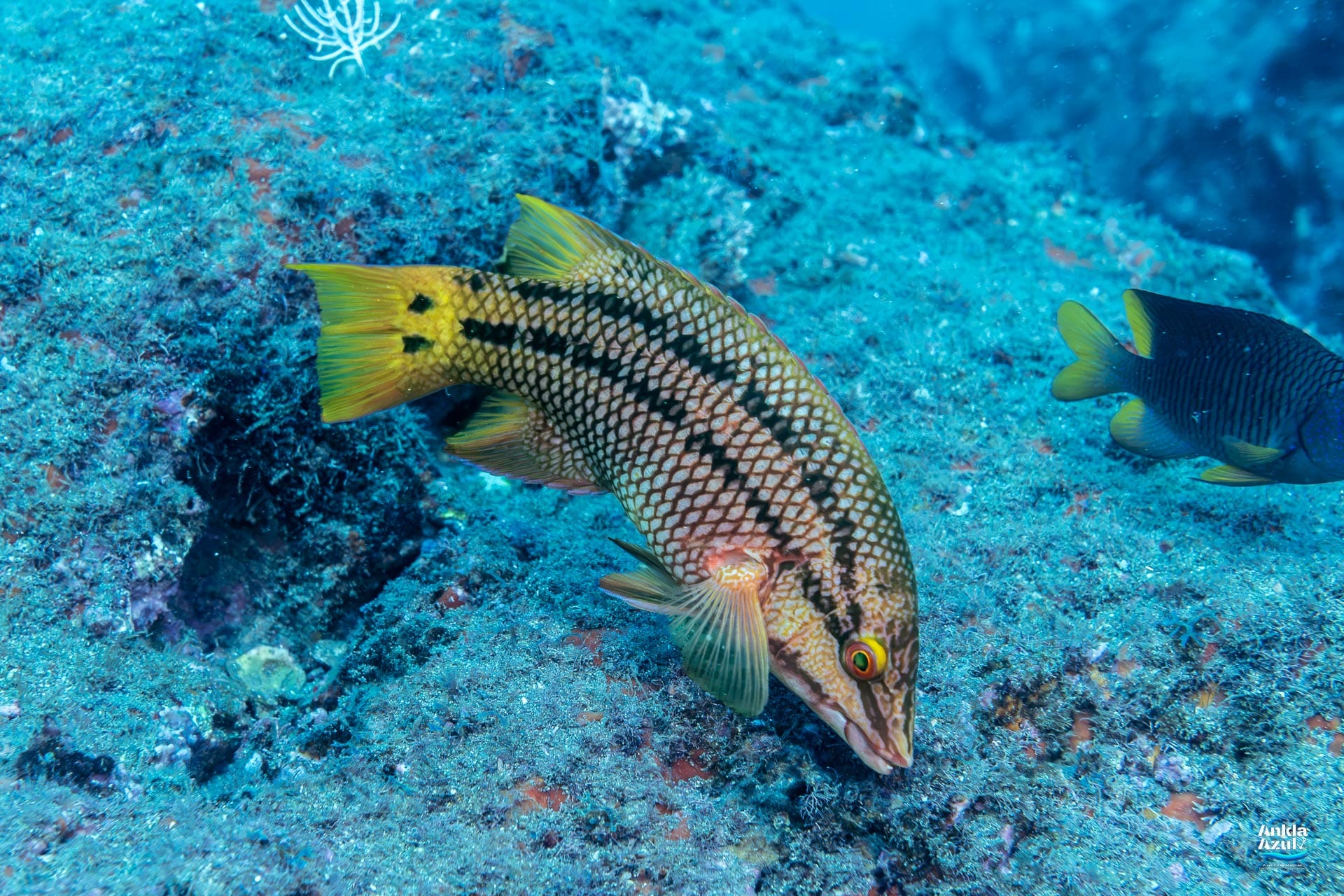
Initial Phase
Family: Wrasses (Labridae)
Size: Up to 76 cm (30 in) — commonly 40 – 50 cm (16 – 20 in)
Depth: 5 – 76m (15 – 250ft) — most common on rocky reefs (5 – 30m)
Diet: Carnivore (crabs, sea urchins, brittle stars, mollusks, worms, and small fishes)
Distribution: Eastern Tropical Pacific (Gulf of California to Peru, including Colombia's Chocó coast, Malpelo, Cocos, and the Galápagos Islands).
Conservation Status: Least Concern (IUCN)
Identification: A true shape-shifter of the Pacific reef, displaying wildly different colors at each stage of life.
- Female / Initial Phase (Pictured): Features a pale yellowish body covered in distinct reddish-brown cross-hatching, a bright yellow tail, and two prominent broken dark horizontal stripes along the sides.
- Male & Juvenile Phases: Terminal males grow massive with a pronounced forehead bump, long trailing fin filaments, and a dark bluish-grey to reddish-brown body with a pale yellow vertical bar. Juveniles are tiny, slender, and bright yellow with two solid black stripes.
Behavior: Active, dynamic daytime foragers along Bahía Solano's rocky reefs.
- Daytime Hunters: Solitary cruisers that patrol volcanic reefs by day, flipping small rocks to crunch crabs, sea urchins, and brittle stars before sheltering in crevices at night.
- Cleaning Duties: Tiny yellow juveniles frequently set up cleaning stations, bravely picking parasites off much larger reef predators.
Similar Species
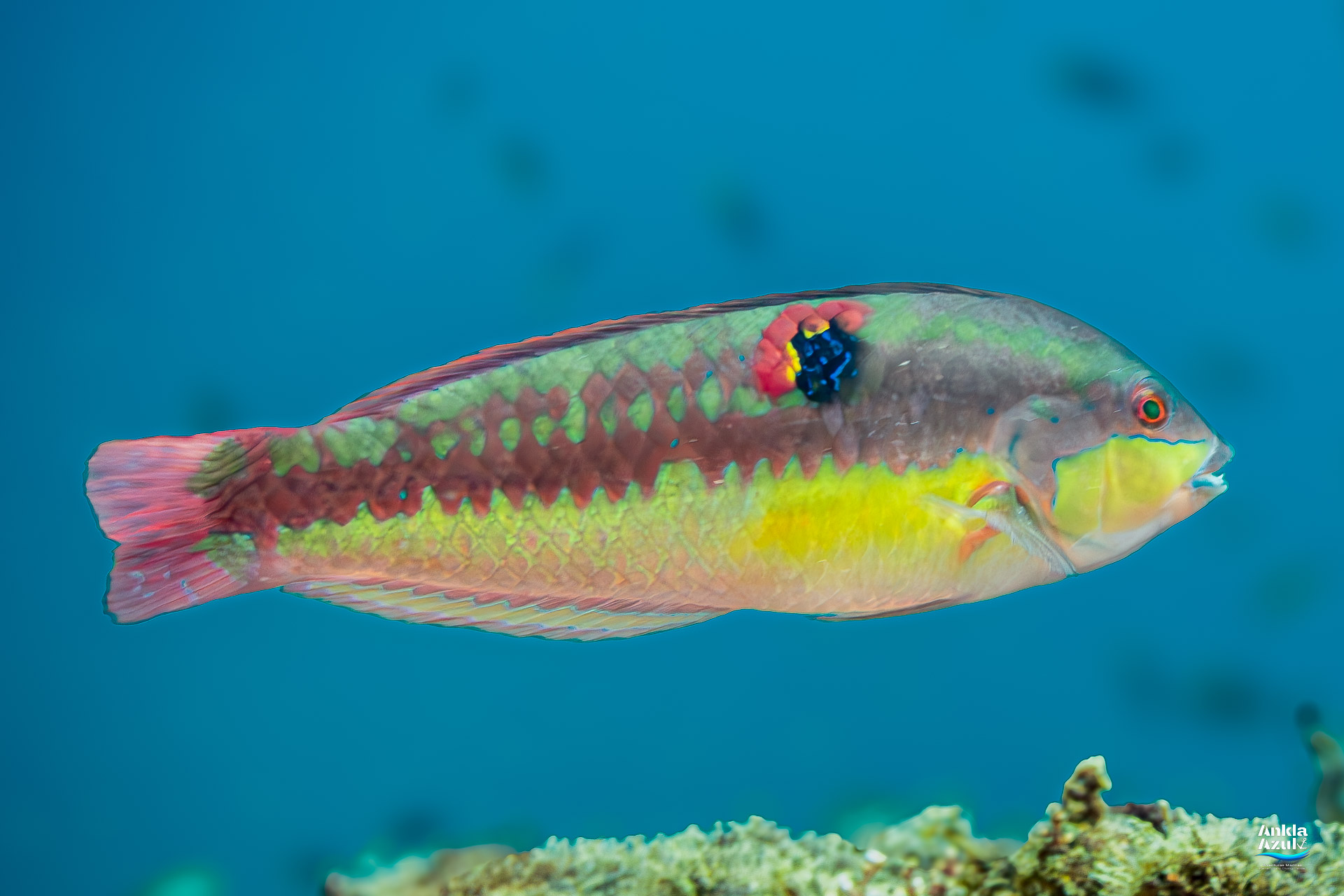
Wounded Wrasse
Halichoeres chierchiae
Family: Labridae | Size: Up to 20 cm
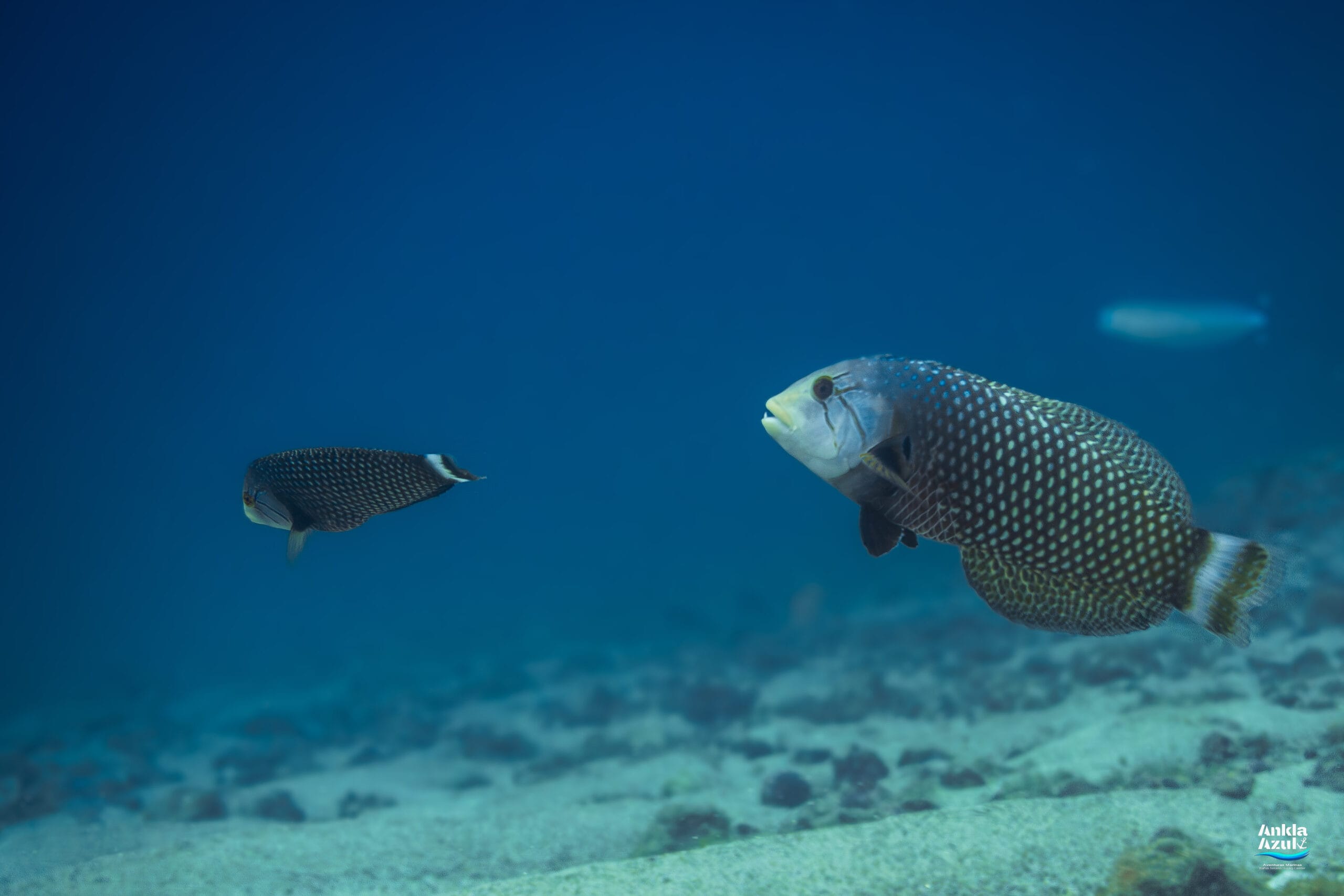
Rockmover Wrasse (Adult)
Novaculichthys taeniourus
Family: Labridae | Size: Up to 30 cm
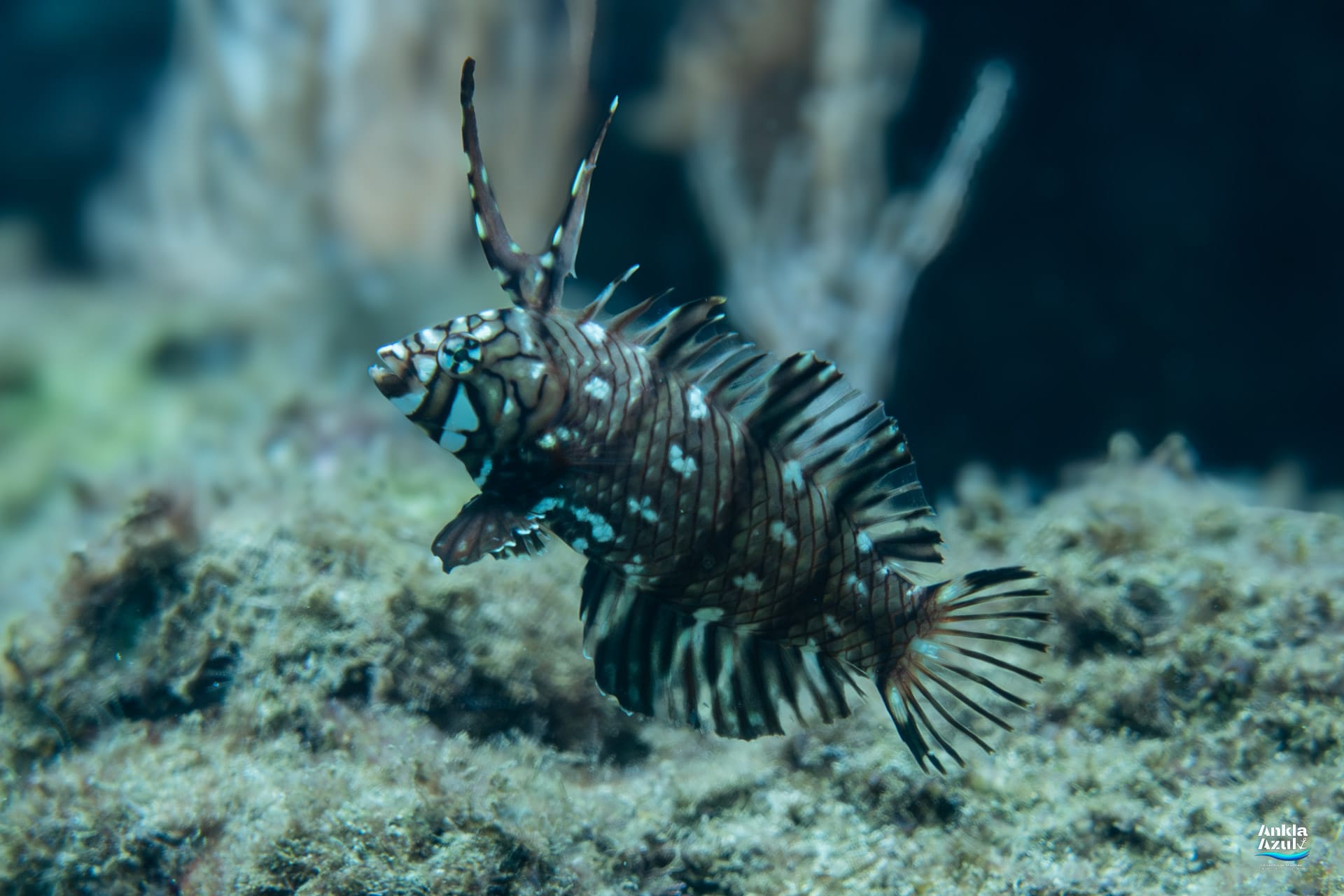
Dragon Wrasse (Juvenile)
Novaculichthys taeniourus
Family: Labridae | Size: Up to 8 cm
Peacock Razorfish (Juvenile)
Iniistius pavo
Family: Labridae | Size: Up to 35 cm
You just learned about this fish...
NOW COME SEE IT!
Behind the Lens
Jalvan
Underwater Photographer & Instructor
Documenting unique marine biodiversity from the Red Sea across the Pacific Ocean. Dedicated to creating a visual catalog of Bahia Solano's marine life for conservation and research.
Follow my work:

advertisement
REFERENCES & DATA SOURCES
- Scientific ID: Verified via FishBase (Froese & Pauly) & Regional Eastern Pacific data.
- Field Guide: Reef Fish Identification: Baja to Panama (Humann & DeLoach).
- Conservation Status: IUCN Red List (Least Concern).
- Regional Data: Ankla Azul Marine Observation Log (Bahia Solano).
More Than Kicking Your Fins
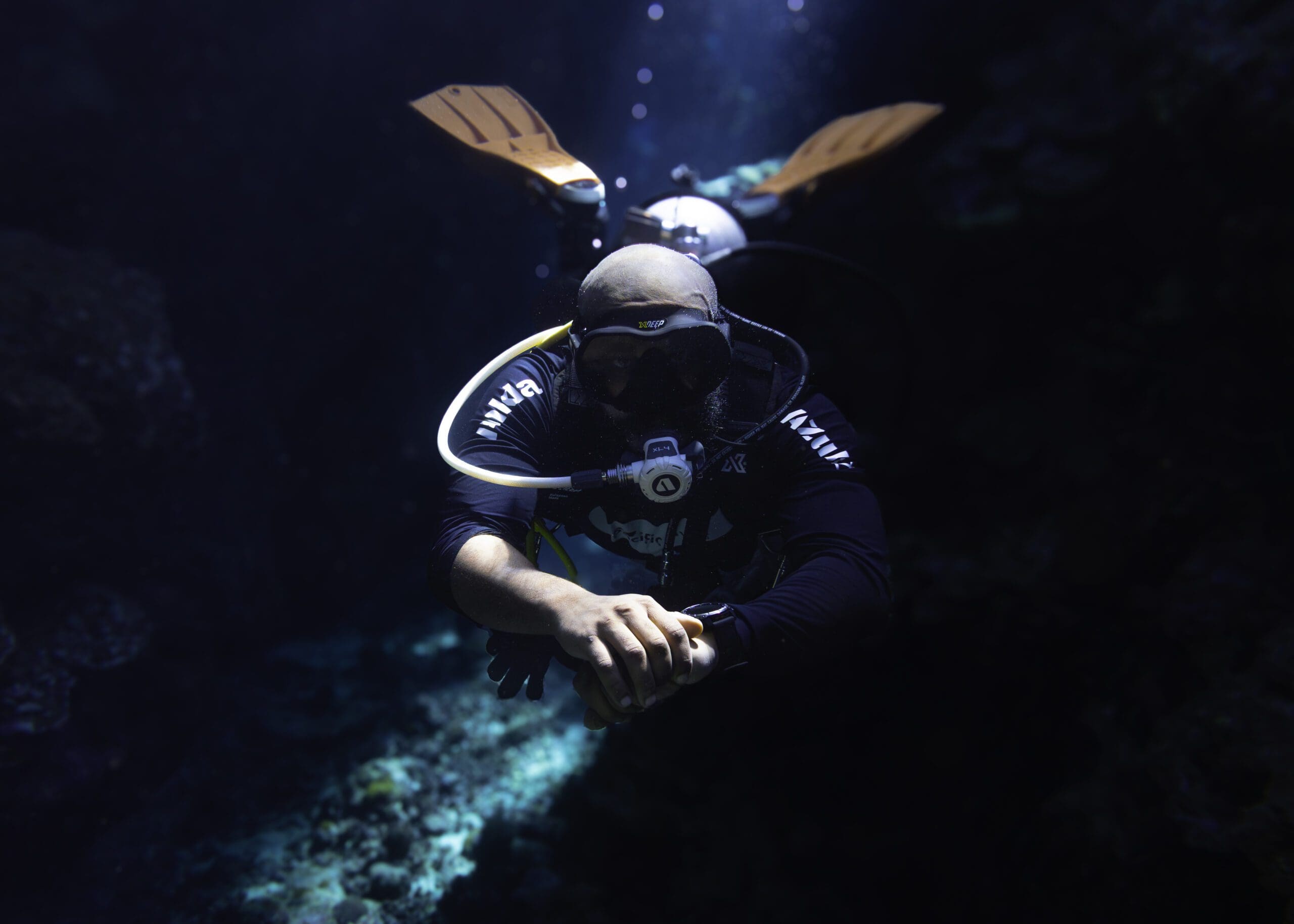
At Ankla Azul, diving is more than kicking your fins. It's patient teaching, sharp safety, and real care for the place we call home. As an SSI Instructor Training Center and an SSI Blue Oceans Center (2025 award), we blend skill-building with ocean awareness—Fish ID, coral nursery work, community education, and rescue support—so every dive grows confidence and respect for Bahía Solano's wild Pacific.