
Guineafowl Puffer (Golden Phase)
Arothron meleagris
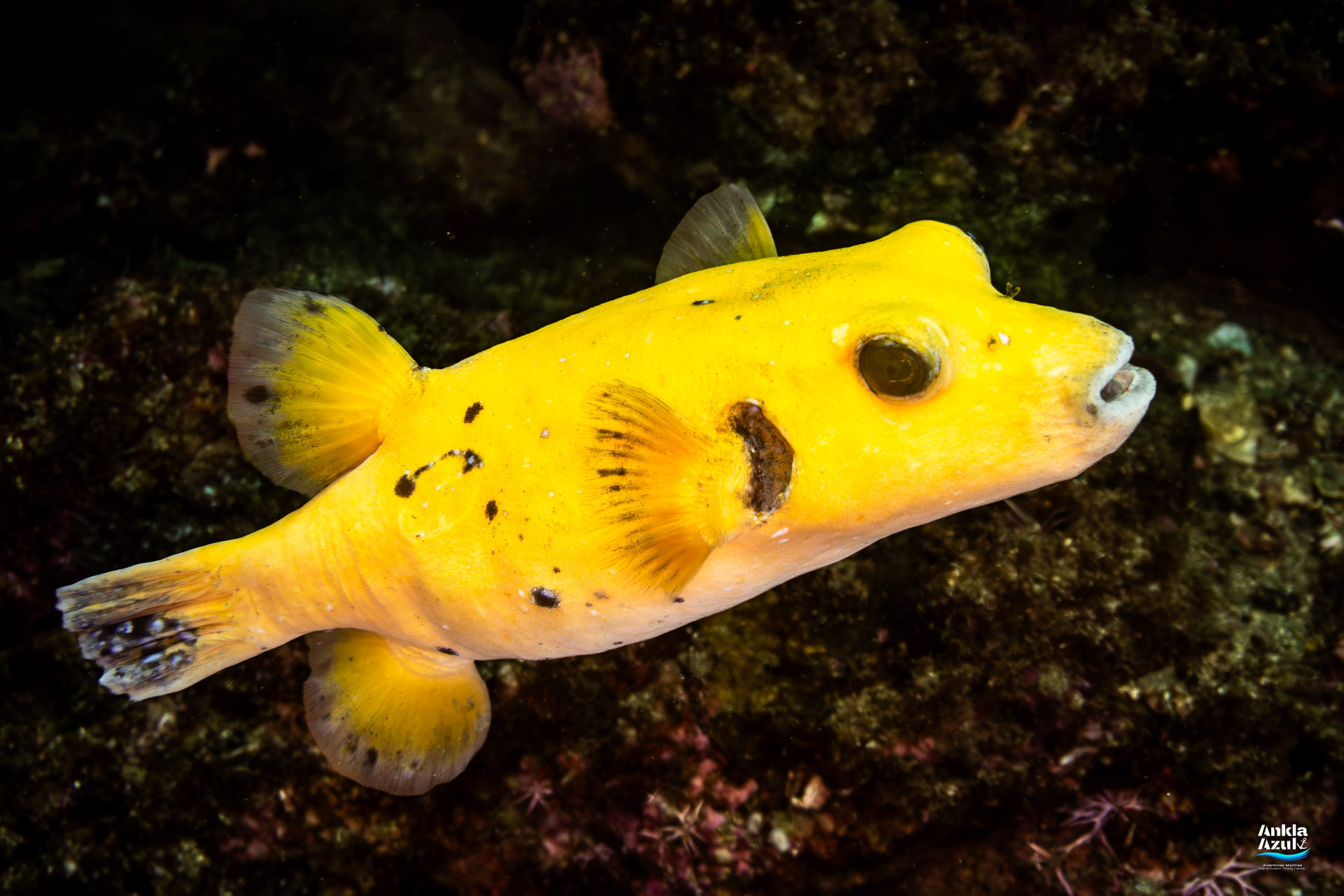
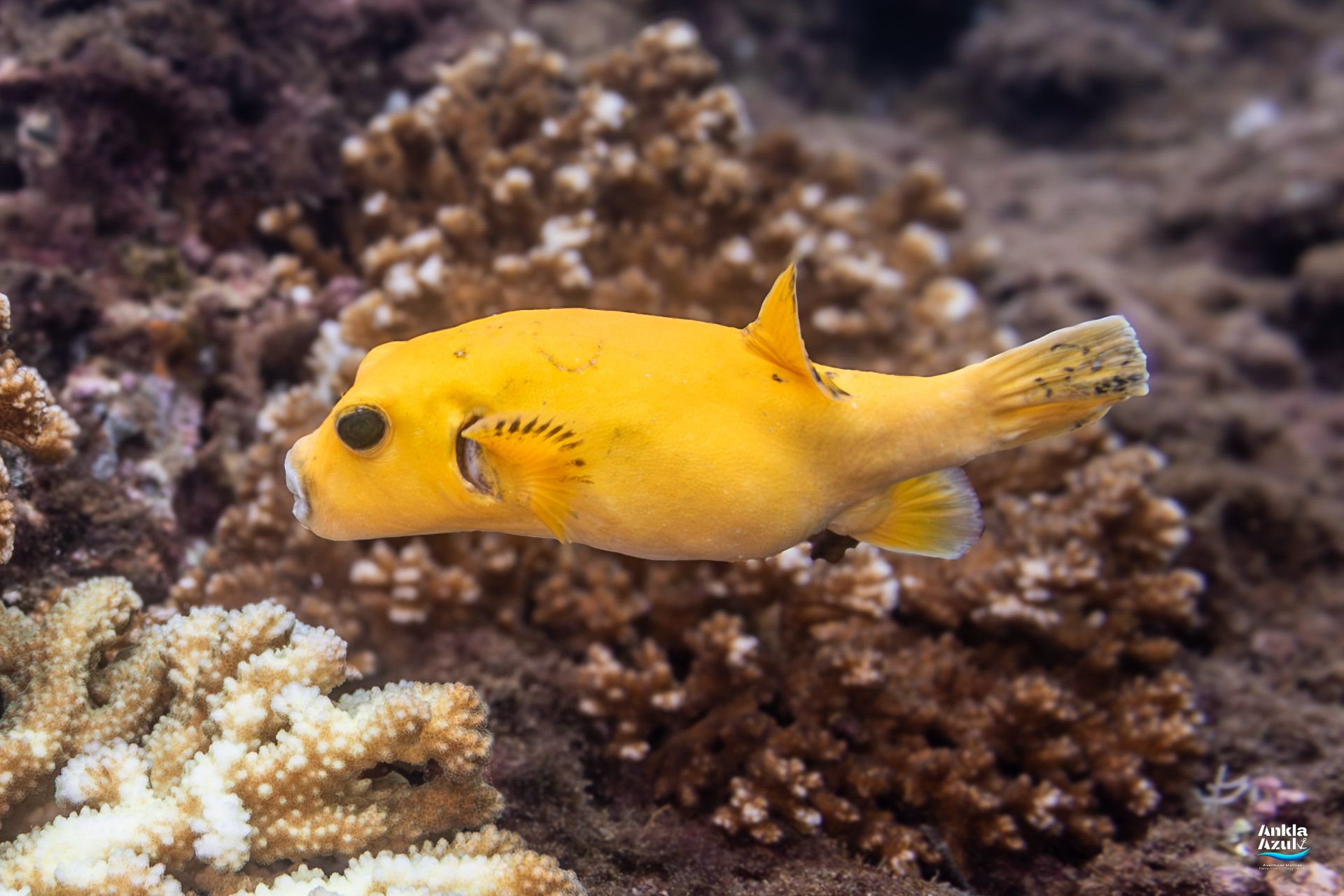
The Golden Phase Guineafowl Puffer (Arothron meleagris) is the rare, solid bright-yellow color morph of the black-spotted Guineafowl Puffer, glowing unmistakably against dark volcanic reefs (1–73 m) as it grazes on corals and sponges in Bahía Solano.
Golden Phase
Family: Pufferfishes (Tetraodontidae)
Size: Up to 50 cm (20 in) — commonly 30 cm (12 in)
Depth: 1 – 73m (3 – 240ft) — most common on shallow reefs (3 – 25m)
Diet: Omnivore / Corallivore (branching coral tips like Pocillopora, sponges, tunicates, and algae)
Distribution: Widespread Indo-Pacific and Eastern Tropical Pacific (Gulf of California to Ecuador, including Colombia's Chocó coast, Malpelo, Cocos, and the Galápagos Islands).
Conservation Status: Least Concern (IUCN)
Identification: The rare, glowing yellow morph of the Guineafowl Puffer—a bucket-list find on Bahía Solano's dark volcanic reefs.
- Golden Phase (Rare): Features a vivid, solid sunshine-yellow rounded body and fins, occasionally showing a few scattered dark flecks or dusky smudges.
- Same Species, Changing Phase: Transitional fish display patchy black-and-yellow patterns as they shift between the rare Golden Phase and the common polka-dotted Black Phase Guineafowl Puffer.
Behavior: A calm, solitary reef grazer that stands out like a beacon underwater.
- Coral Cruncher: Hovers slowly over rocky reefs and Pocillopora coral heads in Bahía Solano, using its fused beak to crunch live coral tips, sponges, and tunicates.
- Inflatable & Toxic Defense: Carries potent tetrodotoxin in its skin and can inflate with water when threatened—always approach slowly and admire it without crowding.
Similar Species
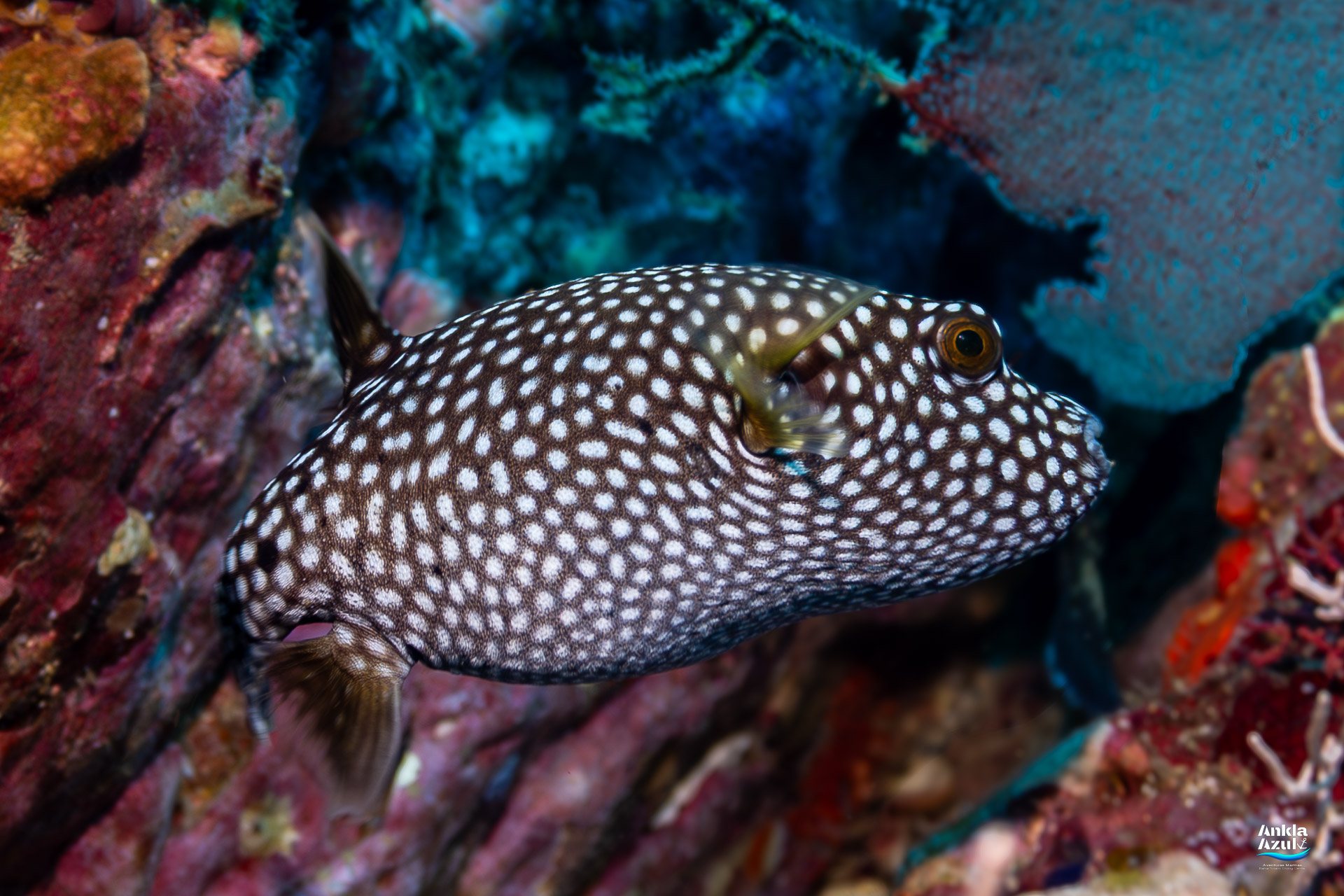
Guineafowl Puffer (Black Phase)
Arothron meleagris
Family: Tetraodontidae | Size: Up to 50 cm
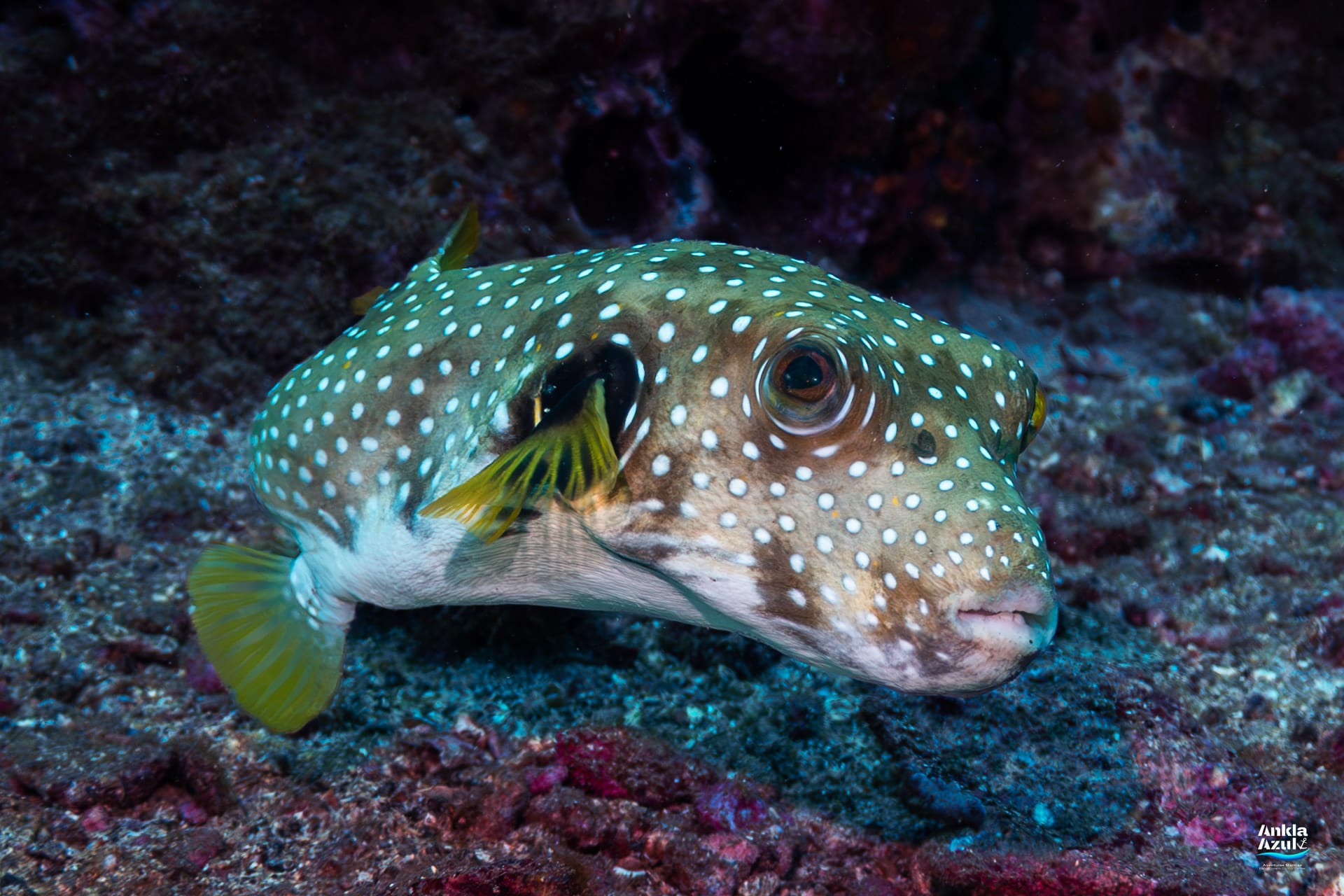
White-spotted Puffer
Arothron hispidus
Family: Tetraodontidae | Size: Up to 50 cm
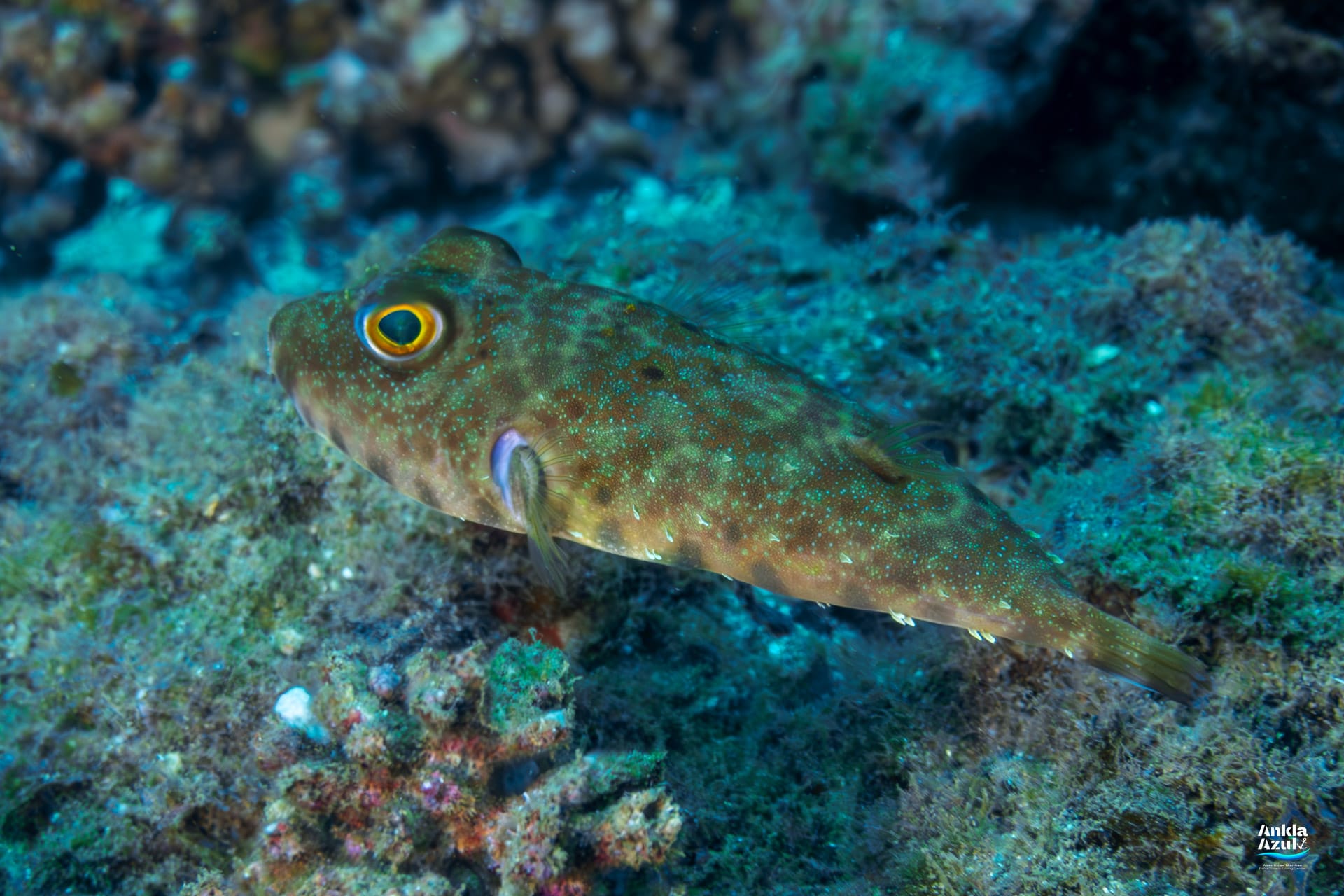
Longnose Puffer
Sphoeroides lobatus
Family: Tetraodontidae | Size: Up to 25 cm
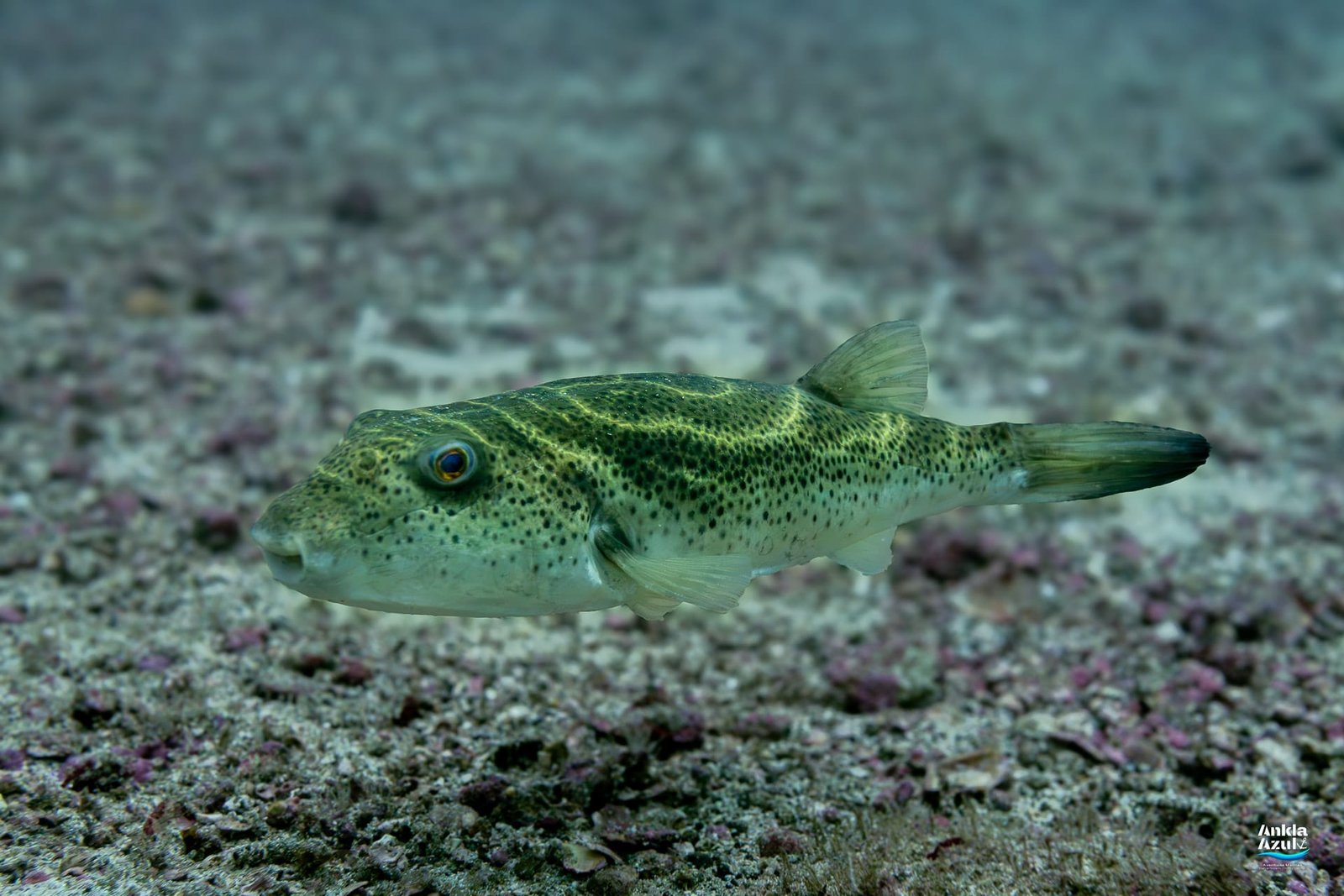
Bullseye Puffer
Sphoeroides annulatus
Family: Tetraodontidae | Size: Up to 44 cm
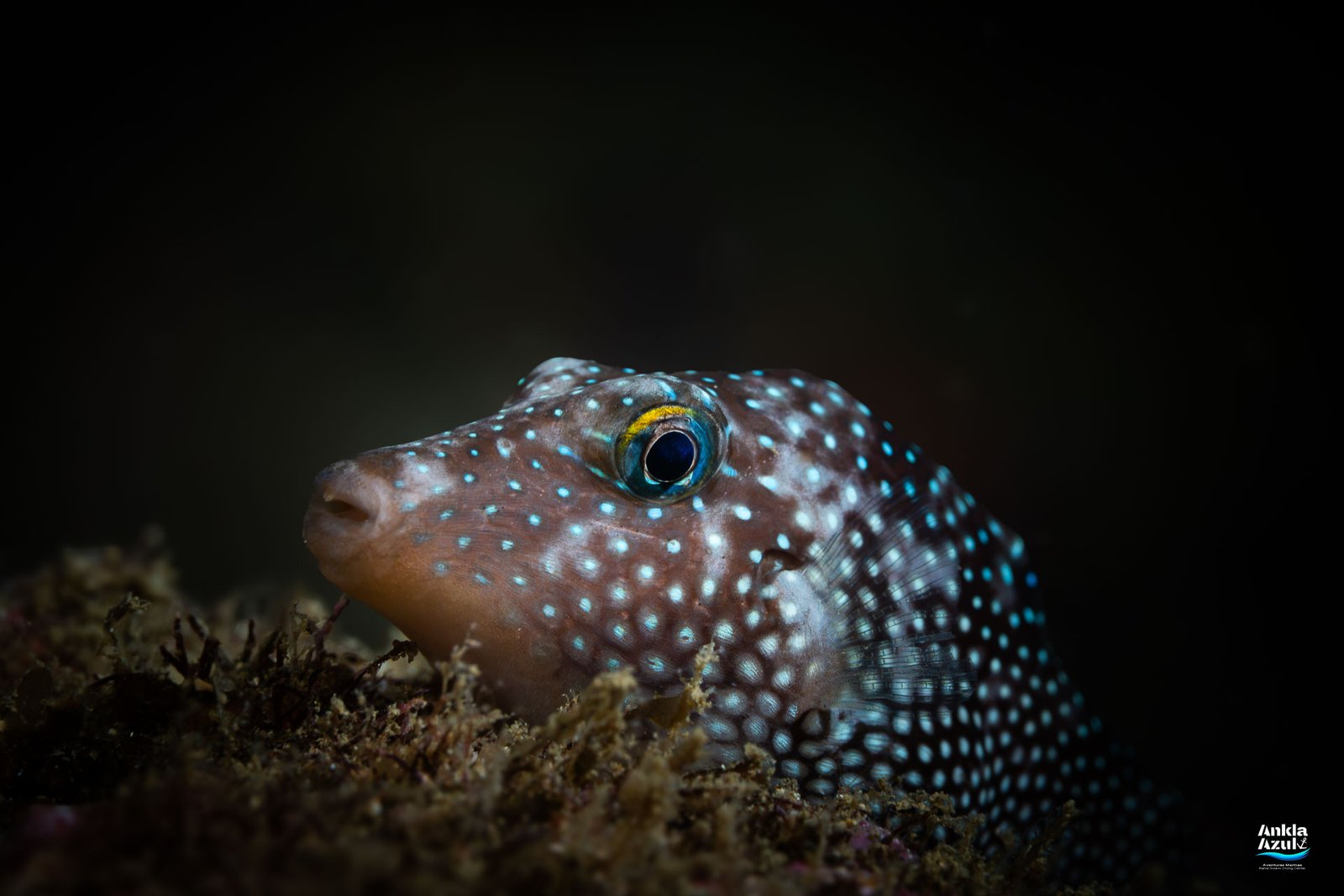
Spotted Sharpnose Puffer
Canthigaster punctatissima
Family: Tetraodontidae | Size: Up to 9 cm
You just learned about this fish...
NOW COME SEE IT!


Behind the Lens
Jalvan
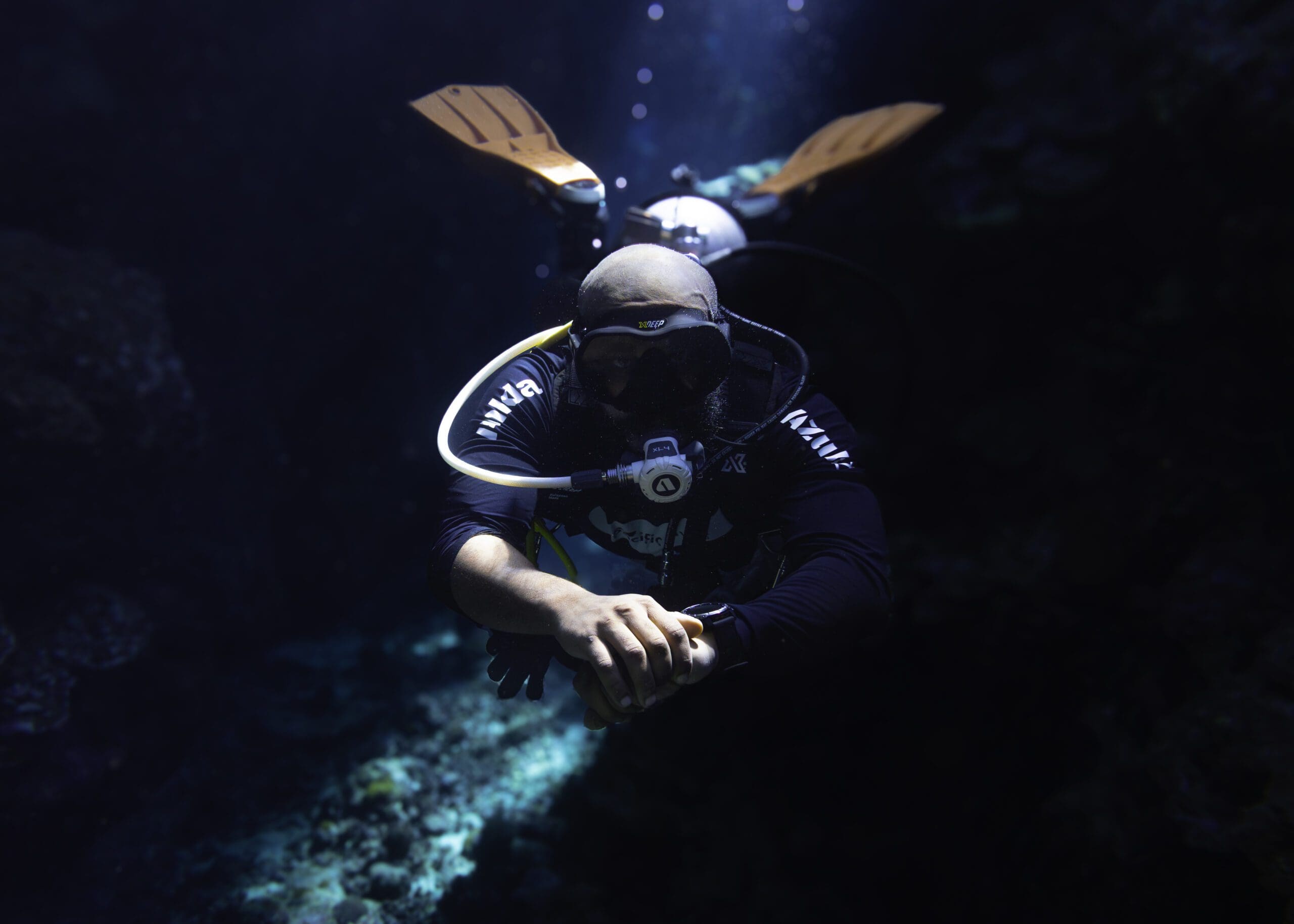
Underwater Photographer & Instructor
Documenting unique marine biodiversity from the Red Sea across the Pacific Ocean. Dedicated to creating a visual catalog of Bahia Solano's marine life for conservation and research.
Follow my work:

advertisement
REFERENCES & DATA SOURCES
- Scientific ID: Verified via FishBase.
- Field Guide: Reef Fish Identification: Baja to Panama (Humann & DeLoach).
- Regional Data: Ankla Azul Marine Observation Log (Bahia Solano).
More Than Kicking Your Fins
At Ankla Azul, diving is more than kicking your fins. It's patient teaching, sharp safety, and real care for the place we call home. As an SSI Instructor Training Center and an SSI Blue Oceans Center (2025 award), we blend skill-building with ocean awareness—Fish ID, coral nursery work, community education, and rescue support—so every dive grows confidence and respect for Bahía Solano's wild Pacific.