Bullseye Puffer
Sphoeroides annulatus
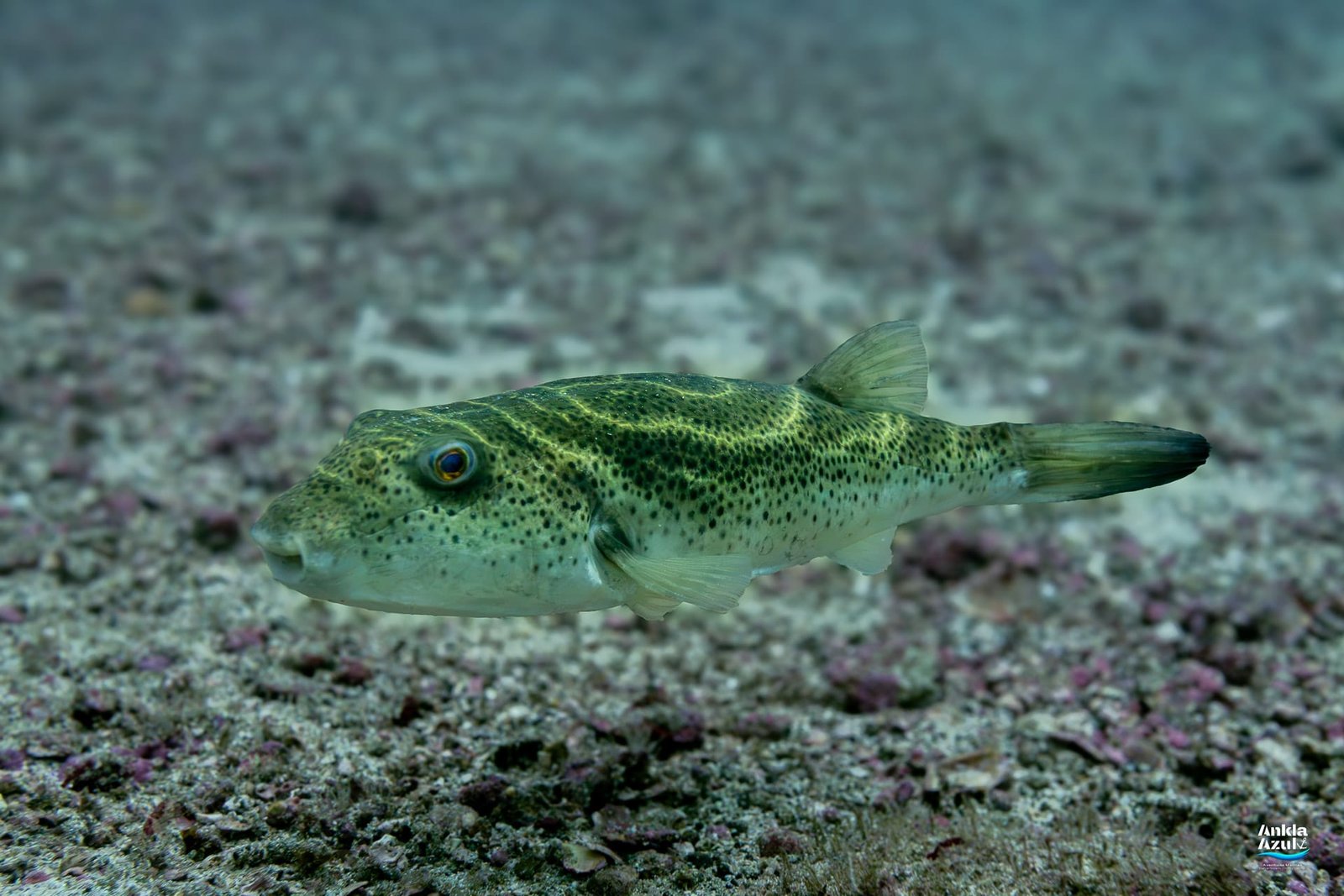
Adult
Family: Puffers (Tetraodontidae)
Size: Up to 44 cm (17 in) | Common: 25 cm (10 in)
Depth: 1 – 25m (3 – 82ft)
Distribution: Eastern Pacific (California down to Peru, including the Galapagos and the Chocó coast).
Identification: A stout, smooth-bodied puffer common in shallow waters.
- Dark Spots: The upper body is typically a pale greenish-brown, heavily speckled with distinct, small dark brown or black spots.
- The "Bullseye": While not always clearly visible from the side, they feature a pattern of concentric, bullseye-like rings on the center of their back.
- Pale Belly: The underside is uniformly bright white and lacks the spotting seen on the upper half.
Behavior: A slow-moving, shallow-water forager.
- Sand & Rubble Hunters: They prefer shallow coastal waters, often hovering just above sandy bottoms or rocky rubble where they hunt for small crustaceans, mollusks, and sea urchins.
- Defense Mechanism: Like all true puffers, they lack scales and heavy spines, relying instead on a highly toxic skin secretion and their ability to inflate themselves with water to deter predators.
You just learned about this fish...
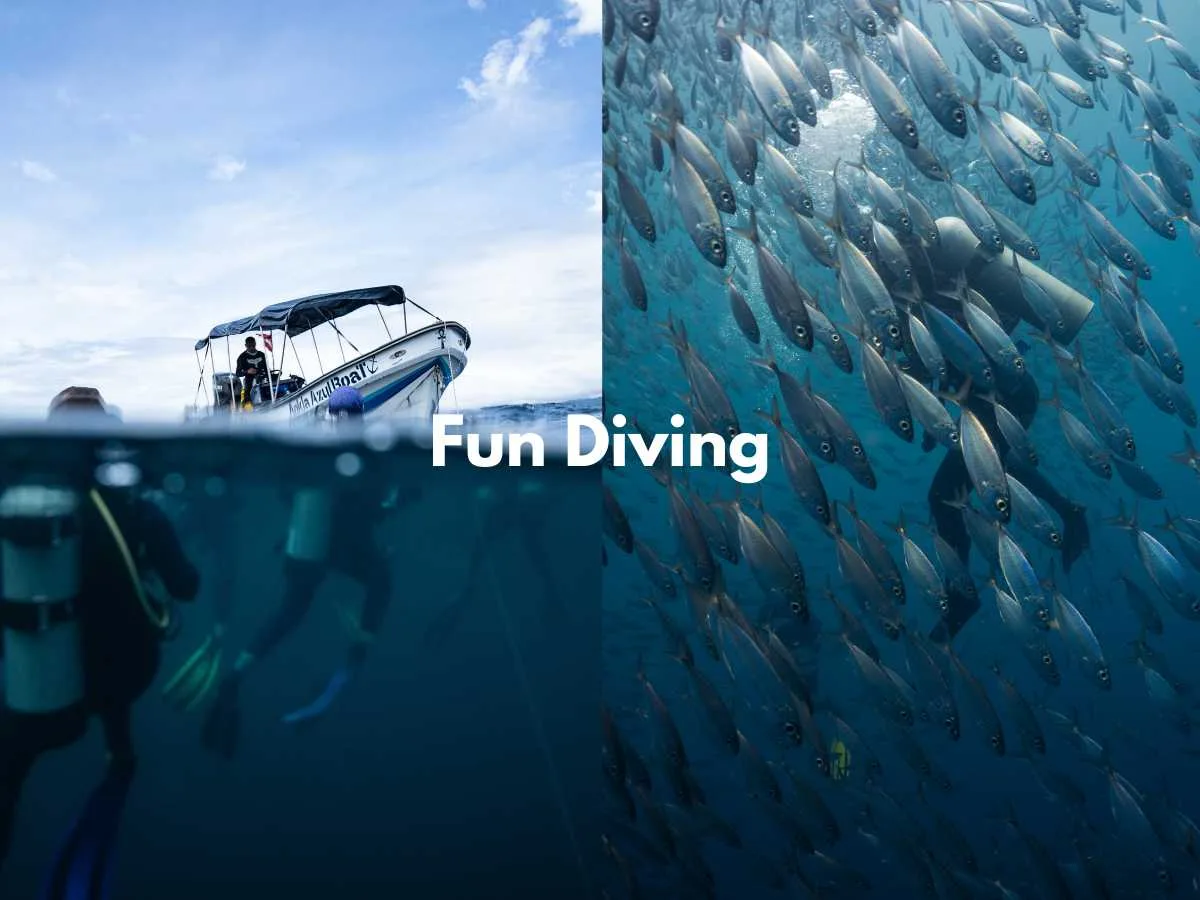
NOW COME SEE IT!
Behind the Lens
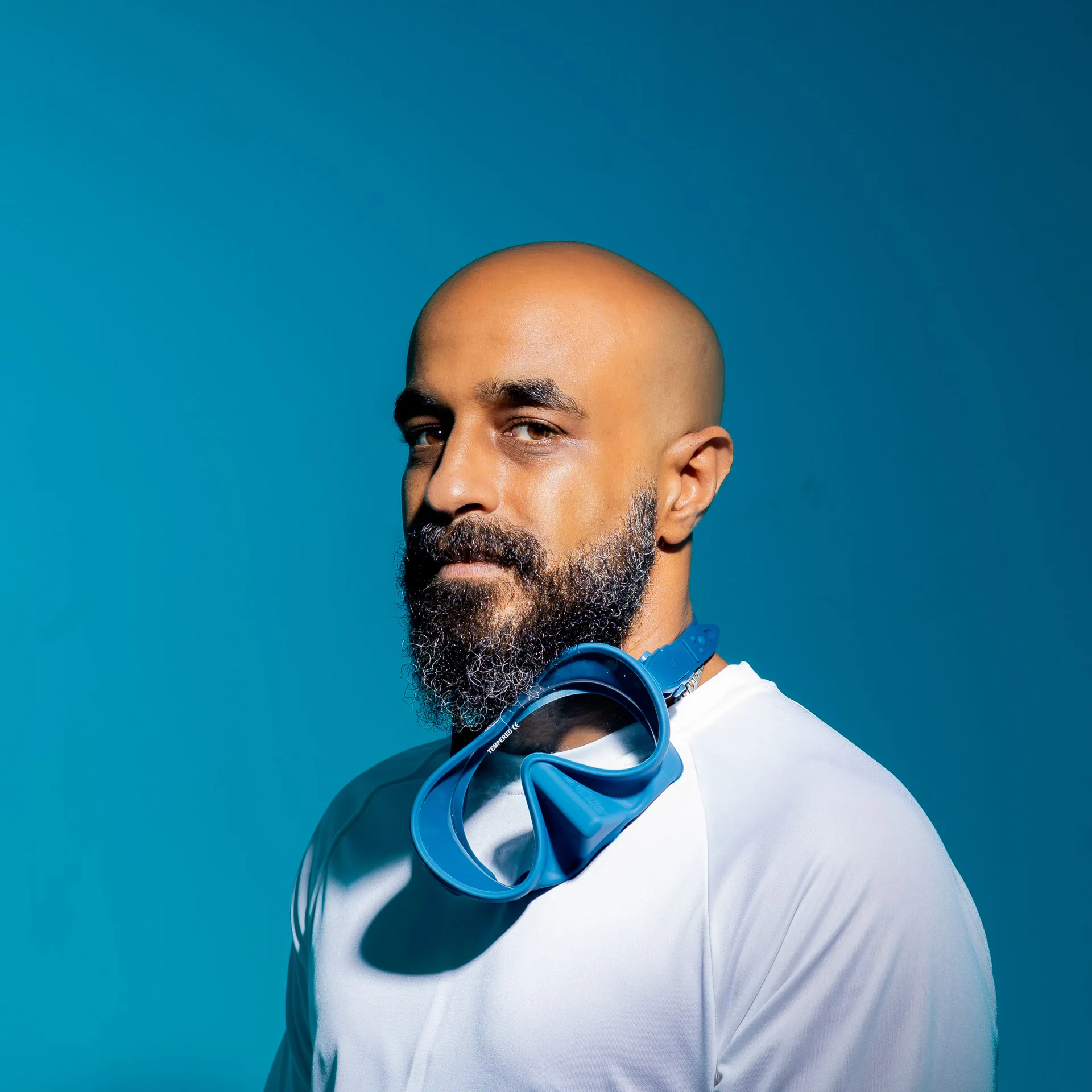
Jalvan
Underwater Photographer & Instructor
Documenting unique marine biodiversity from the Red Sea across the Pacific Ocean. Dedicated to creating a visual catalog of Bahia Solano's marine life for conservation and research.
Video: Osmo Action 5 Pro | GoPro
Follow my work:
advertisement
REFERENCES & DATA SOURCES
- Scientific ID: Verified via FishBase (Froese & Pauly) & Regional Eastern Pacific data.
- Field Guide: Reef Fish Identification: Baja to Panama (Humann & DeLoach).
- Conservation Status: IUCN Red List (Least Concern).
- Regional Data: Ankla Azul Marine Observation Log (Bahia Solano).
More Than Kicking Your Fins
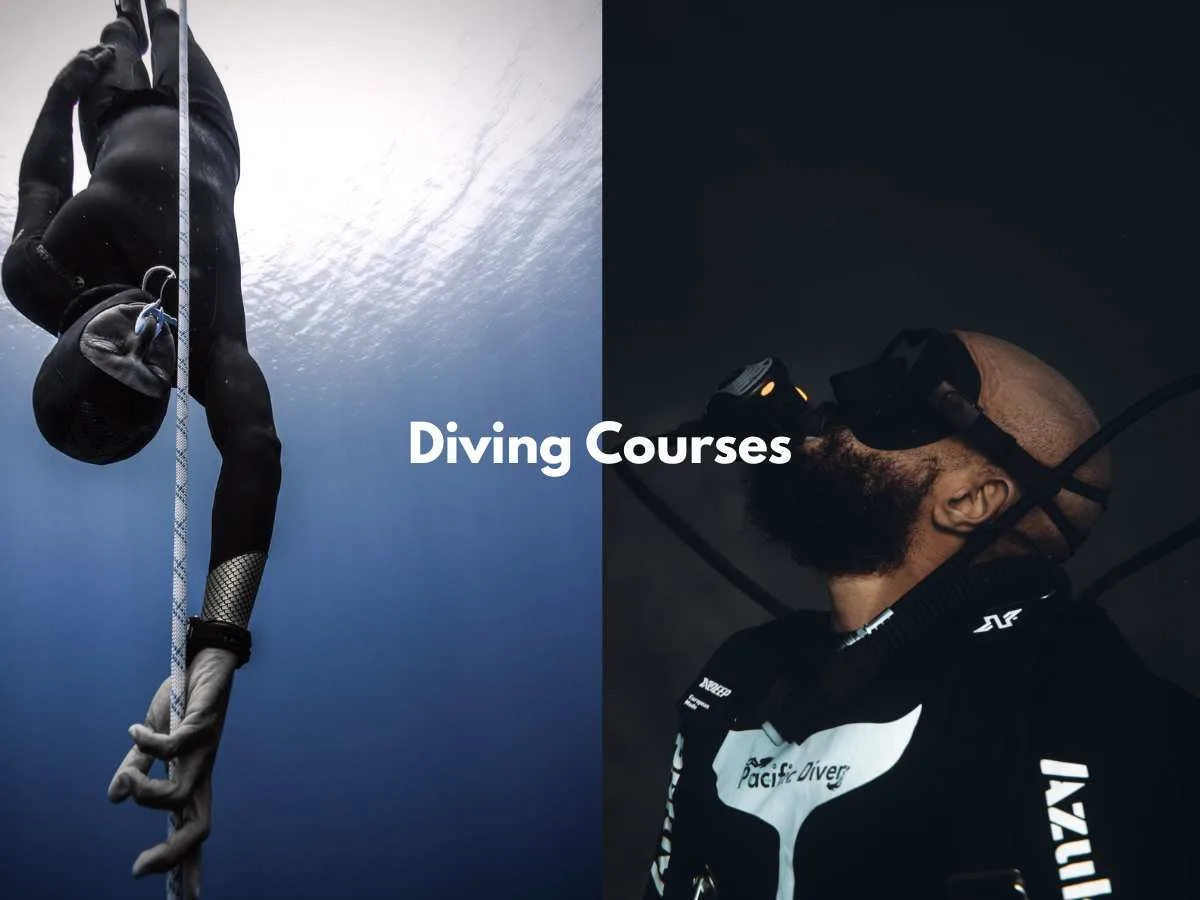
At Ankla Azul, diving is more than kicking your fins. It's patient teaching, sharp safety, and real care for the place we call home. As an SSI Instructor Training Center and an SSI Blue Oceans Center (2025 award), we blend skill-building with ocean awareness—Fish ID, coral nursery work, community education, and rescue support—so every dive grows confidence and respect for Bahía Solano's wild Pacific.