
Broomtail Grouper
Mycteroperca xenarcha
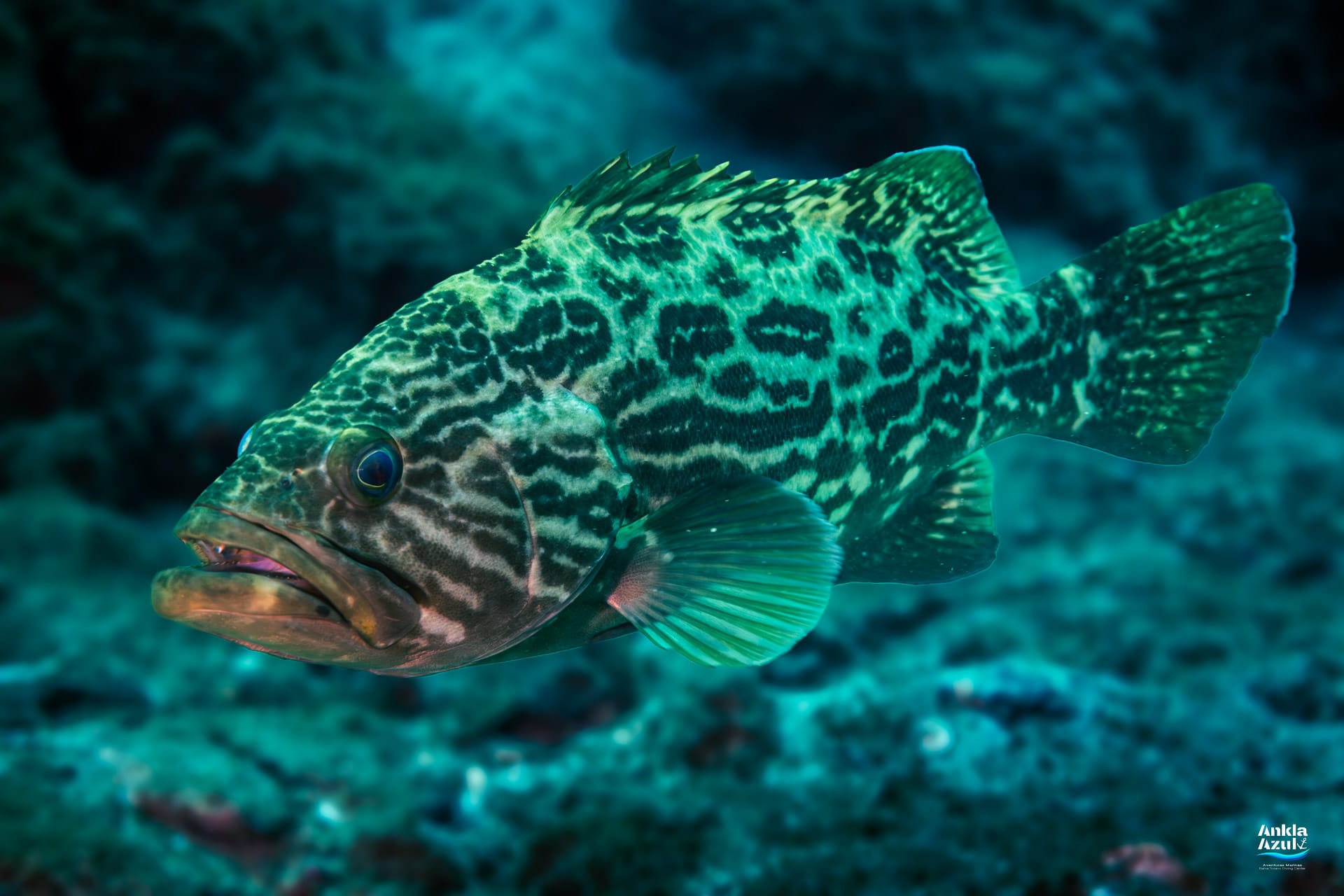
Adult
Family: Sea Basses & Groupers (Serranidae)
Size: Up to 150 cm (5 ft) | Common: 80 cm
Depth: 5 – 70m (15 – 230ft)
Distribution: Eastern Pacific (California down to Peru, including the Galapagos and Malpelo).
Identification: A heavy-bodied, imposing predator with a very distinctive tail.
- Color & Pattern: The body is typically grayish-brown, olive, or greenish, covered in an intricate, chain-like pattern (reticulations) of dark blotches separated by pale, winding lines.
- The "Broom" Tail: The easiest way to identify this species is by looking at its caudal (tail) fin. The stiff fin rays extend noticeably past the fin membrane, giving the trailing edge a jagged, broom-like appearance.
- The Face: They have a classic, robust grouper profile with a protruding lower jaw and large, thick lips.
Behavior: A master of the ambush.
- Hunting: Like most large groupers, they are solitary apex predators. They hover near the bottom or hide within rocky caves, relying on their camouflage to ambush passing fish and large crustaceans.
- Curiosity: Despite their size and predatory nature, they are known to be quite bold and curious around divers, often holding their ground and watching you closely as you swim by.
You just learned about this fish...
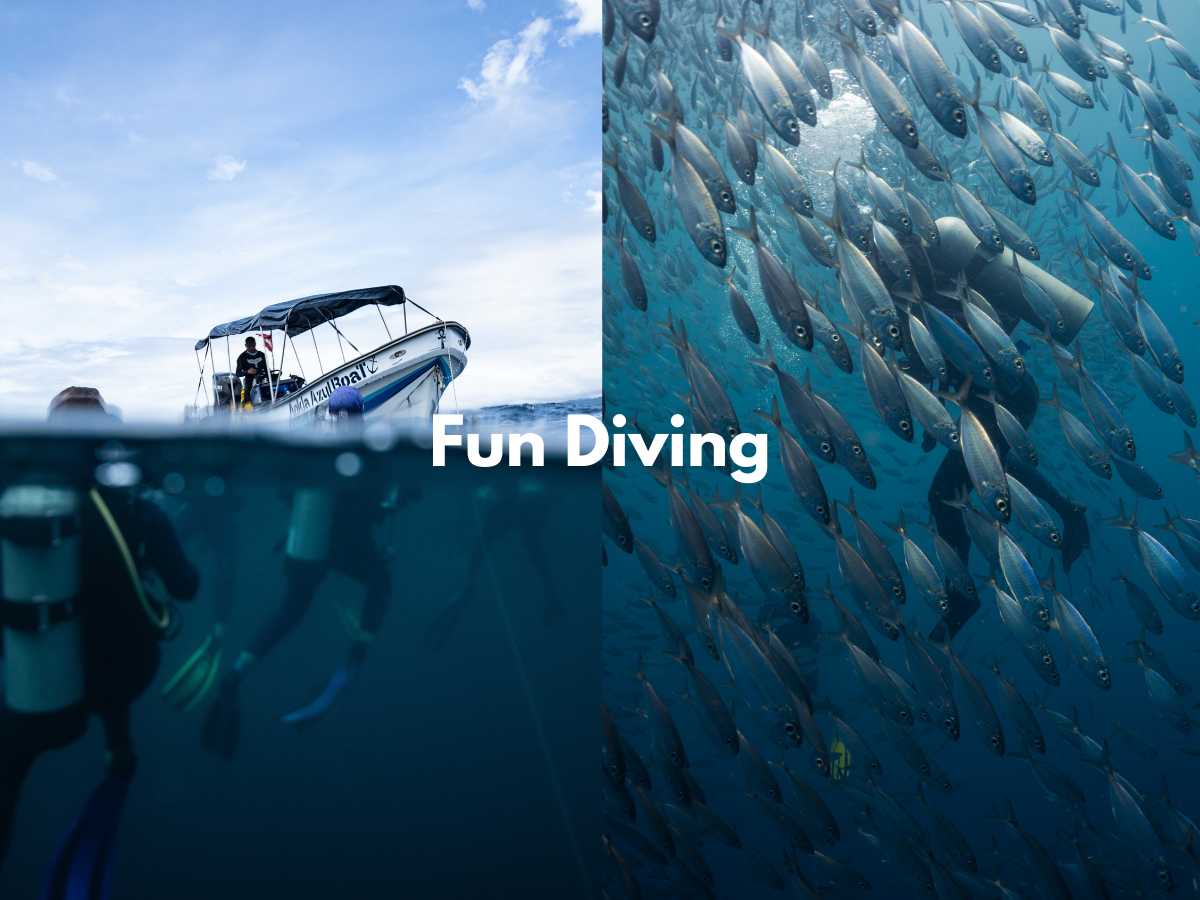
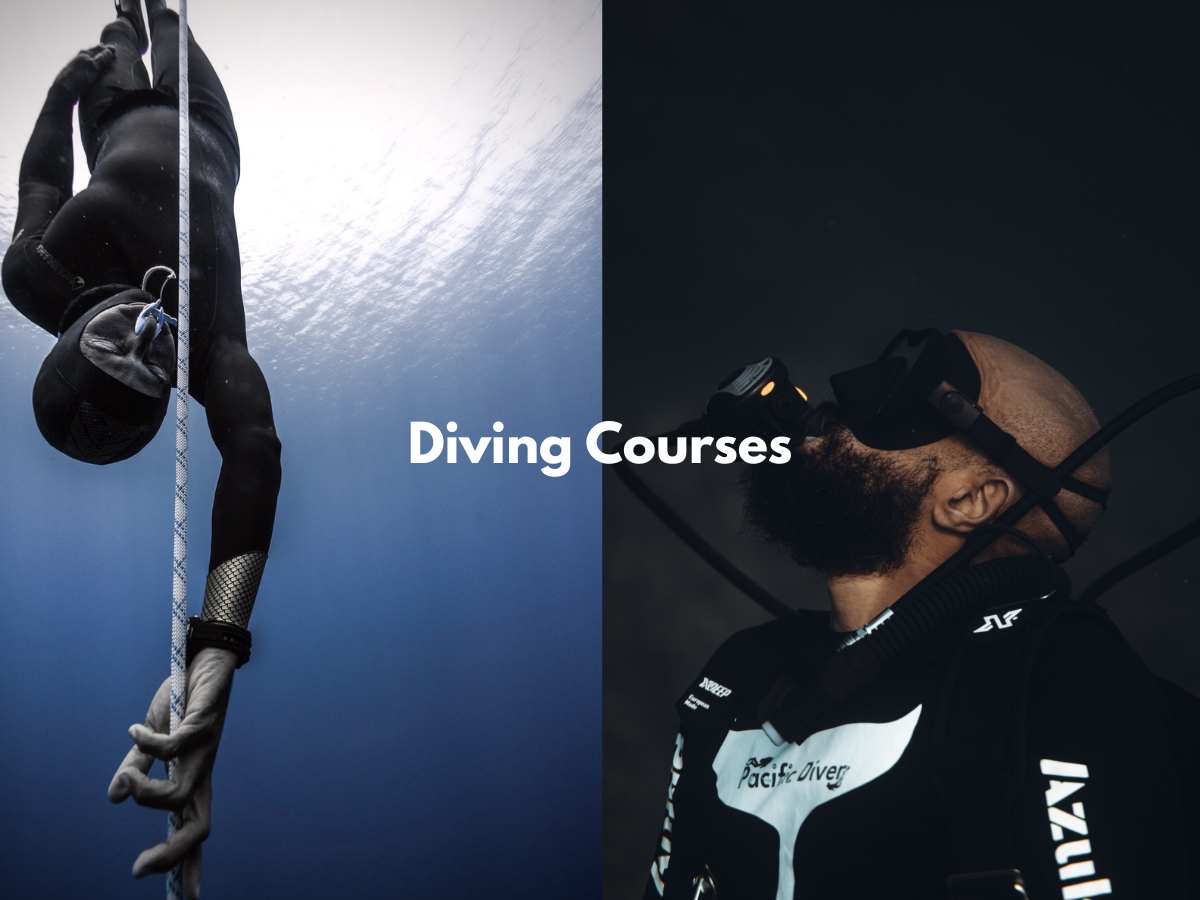
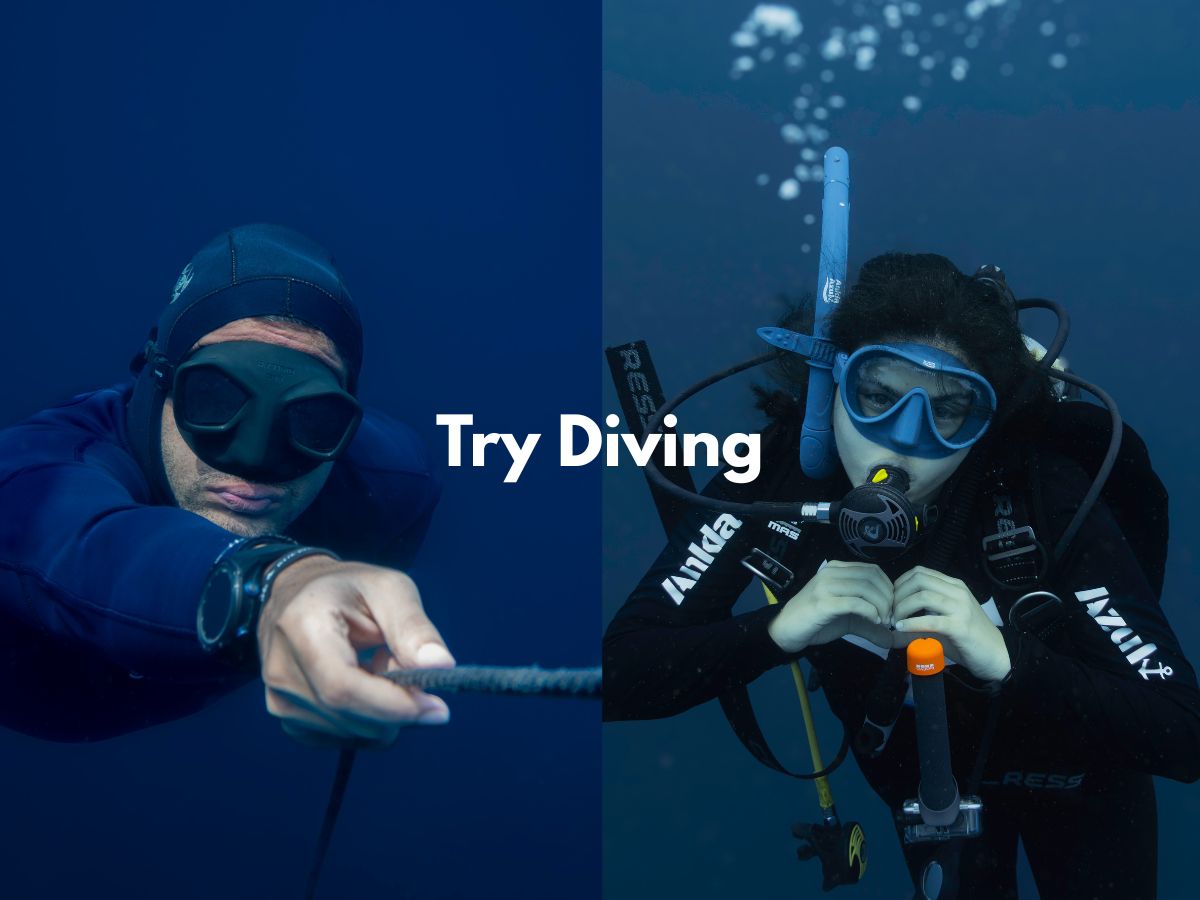
NOW COME SEE IT!
Behind the Lens
Jalvan
Underwater Photographer & Instructor
Documenting unique marine biodiversity from the Red Sea across the Pacific Ocean. Dedicated to creating a visual catalog of Bahia Solano's marine life for conservation and research.
Video: Osmo Action 5 Pro | GoPro
Follow my work:

advertisement
REFERENCES & DATA SOURCES
- Scientific ID: Verified via FishBase (Froese & Pauly).
- Field Guide: Reef Fish Identification: Baja to Panama (Humann & DeLoach).
- Regional Data: Ankla Azul Marine Observation Log (Bahia Solano).
More Than Kicking Your Fins
At Ankla Azul, diving is more than kicking your fins. It's patient teaching, sharp safety, and real care for the place we call home. As an SSI Instructor Training Center and an SSI Blue Oceans Center (2025 award), we blend skill-building with ocean awareness—Fish ID, coral nursery work, community education, and rescue support—so every dive grows confidence and respect for Bahía Solano's wild Pacific.