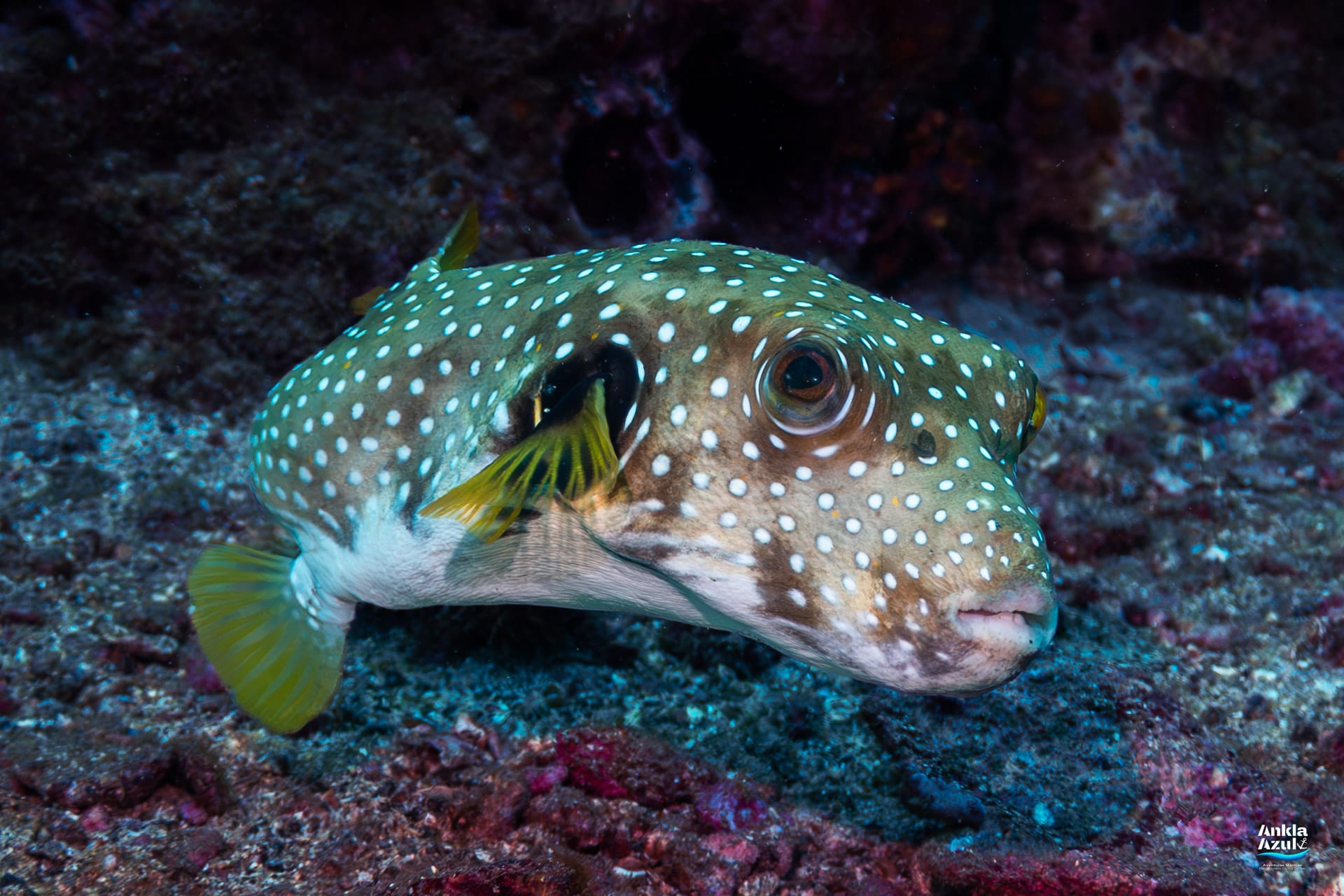
White-spotted Puffer
Arothron hispidus
Adult
Family: Puffers (Tetraodontidae)
Size: Up to 50 cm (20 in) | Common: 35 cm
Depth: 3 – 50m (10 – 160ft)
Distribution: Widespread Indo-Pacific and Eastern Pacific (Baja California to Panama and Ecuador, including the Galapagos).
Identification: A slow-moving, heavily built fish with unmistakable markings.
- Color & Pattern: The body is grayish-brown to greenish with a white belly. The back and sides are covered in distinct, widely spaced white spots.
- The Eyes & Fins: Look for the prominent white concentric rings encircling the eyes and the base of the pectoral fins. The fins themselves often have a yellowish or translucent hue.
Behavior: A toxic cruiser of the reef.
- Defense Mechanism: Like all puffers, they lack pelvic fins and are relatively slow swimmers. If threatened, they can rapidly swallow water to inflate their highly elastic stomachs into a large sphere, making them nearly impossible for predators to swallow.
- Toxicity: Their skin and internal organs contain tetrodotoxin, a potent neurotoxin produced by symbiotic bacteria, making them deadly to consume.
- Diet: They use their heavy, fused beak to crush hard-shelled invertebrates like crustaceans, mollusks, and sea urchins, as well as grazing on algae and sponges.
You just learned about this fish...
NOW COME SEE IT!
Behind the Lens
Jalvan
Underwater Photographer & Instructor
Documenting unique marine biodiversity from the Red Sea across the Pacific Ocean. Dedicated to creating a visual catalog of Bahia Solano's marine life for conservation and research.
Video: Osmo Action 5 Pro | GoPro
Follow my work:

advertisement
REFERENCES & DATA SOURCES
- Scientific ID: Verified via FishBase (Froese & Pauly).
- Field Guide: Reef Fish Identification: Baja to Panama (Humann & DeLoach).
- Regional Data: Ankla Azul Marine Observation Log (Bahia Solano).
More Than Kicking Your Fins
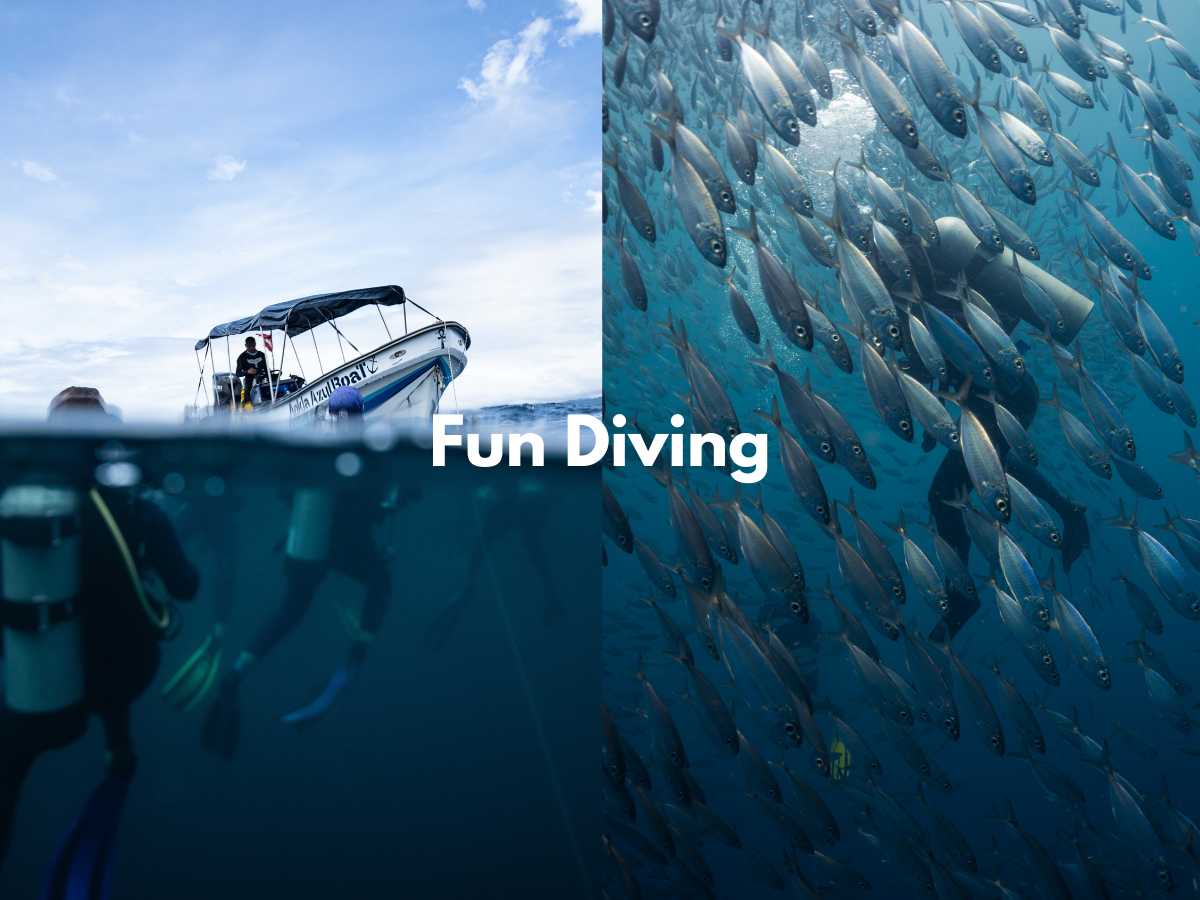
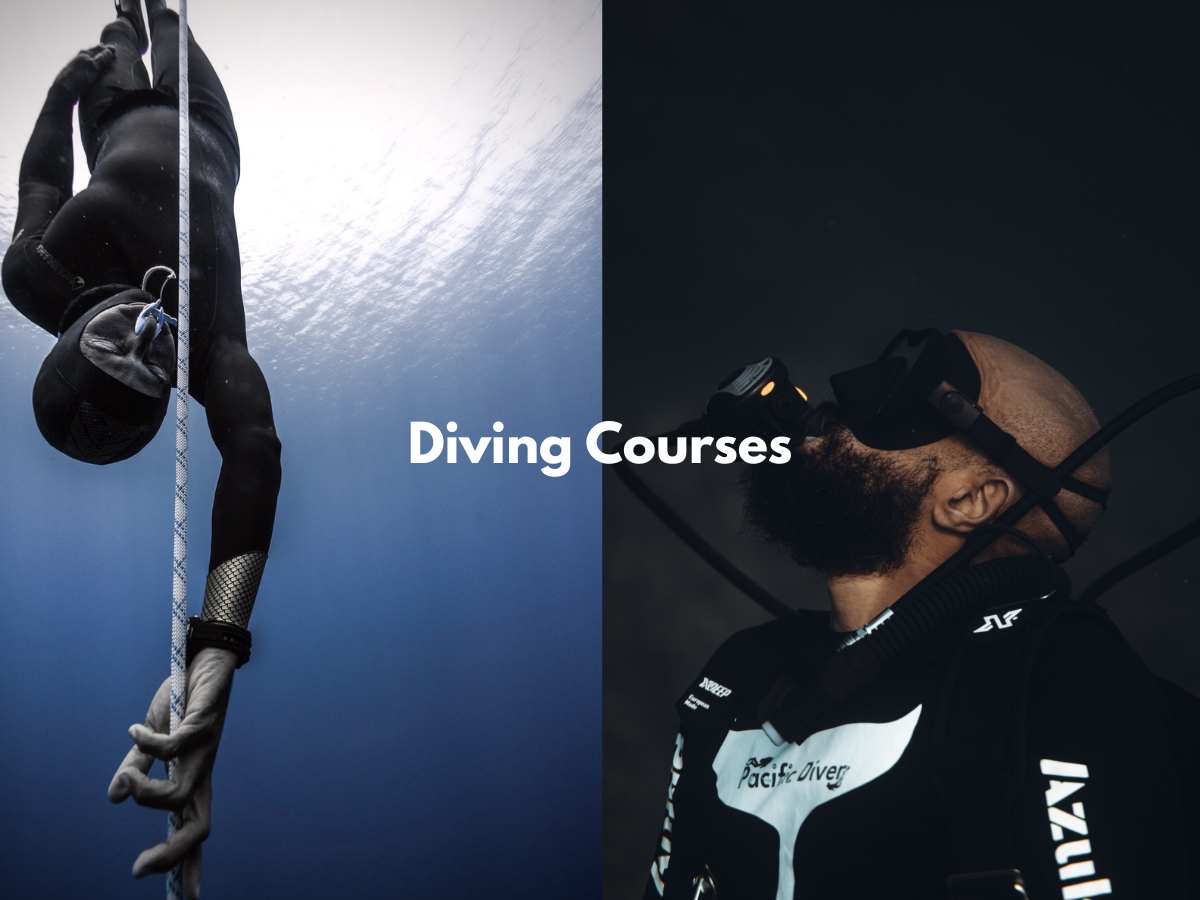
At Ankla Azul, diving is more than kicking your fins. It's patient teaching, sharp safety, and real care for the place we call home. As an SSI Instructor Training Center and an SSI Blue Oceans Center (2025 award), we blend skill-building with ocean awareness—Fish ID, coral nursery work, community education, and rescue support—so every dive grows confidence and respect for Bahía Solano's wild Pacific.