Guineafowl Puffer
Arothron meleagris
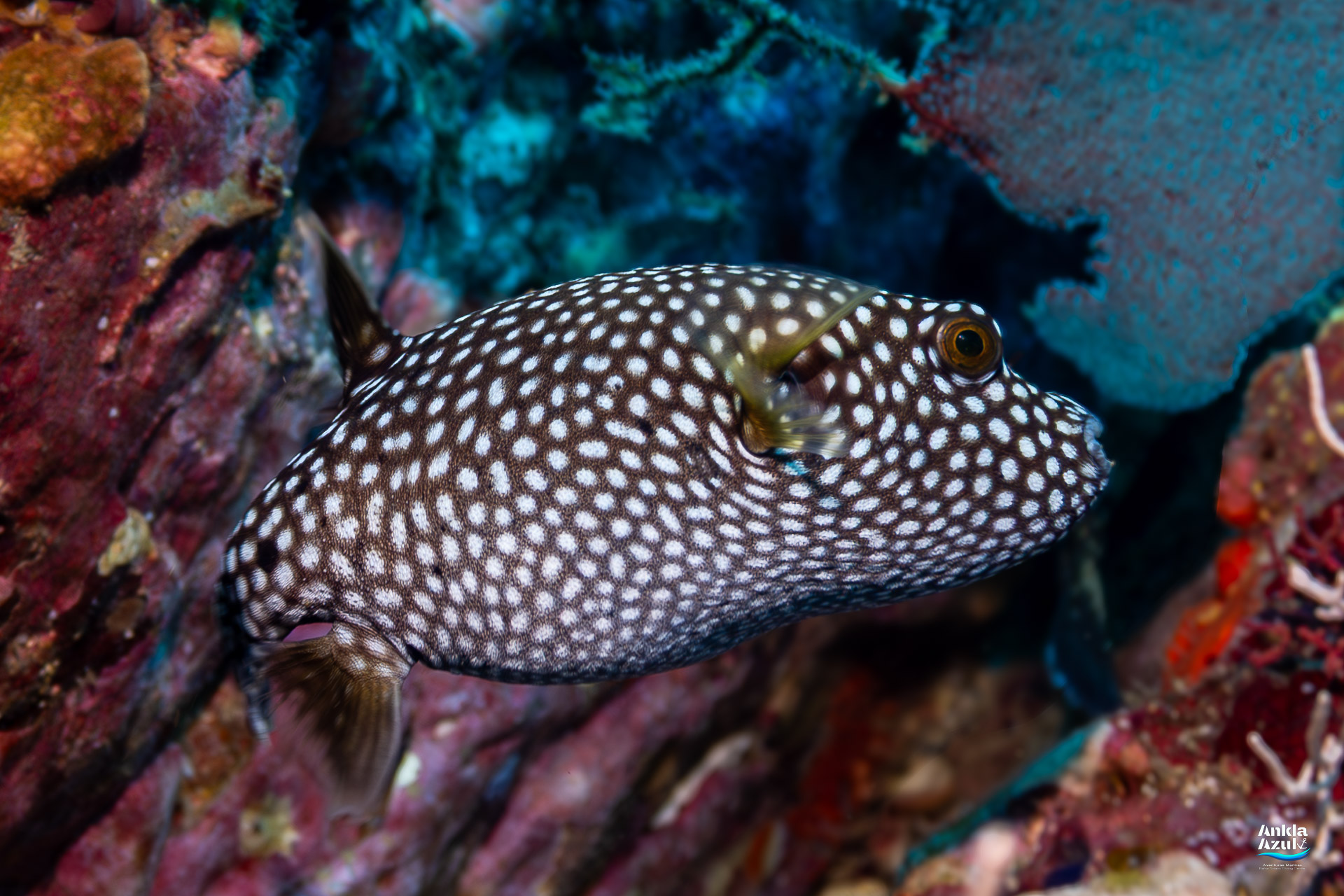
Adult
Family: Pufferfishes (Tetraodontidae)
Size: Up to 50 cm (20 in)
Depth: 3 – 25m (10 – 80ft)
Distribution: Tropical Indo-Pacific and Eastern Pacific (Gulf of California to Ecuador).
Identification:
A heavy-bodied, clumsy swimmer with two distinct personalities.
- The Spotted Phase (Common): The most common form is dark brown or black, covered entirely in small white polka dots (like a Guineafowl bird). This is the phase most often seen in Bahia Solano.
- The Golden Phase (Rare): Occasionally, you may spot an individual that is bright, solid yellow. This is the same species, just a different color morph (the "Golden Puffer").
- Shape: It has a boxy, rounded body with small fins. It lacks pelvic fins and "hovers" using its pectoral fins.
Behavior:
The coral cruncher.
- Diet: Unlike many other fish, the Guineafowl Puffer is a specialized corallivore. It uses its powerful, beak-like fused teeth to bite off the tips of branching corals (like Pocillopora) to eat the polyps inside. It also eats sponges and tunicates.
- Defense: Like all puffers, it can swallow water to inflate its body size when threatened, making it difficult for predators to swallow. Its skin also contains tetrodotoxin, a potent neurotoxin.
You just learned about this fish...
NOW COME SEE IT!
Behind the Lens
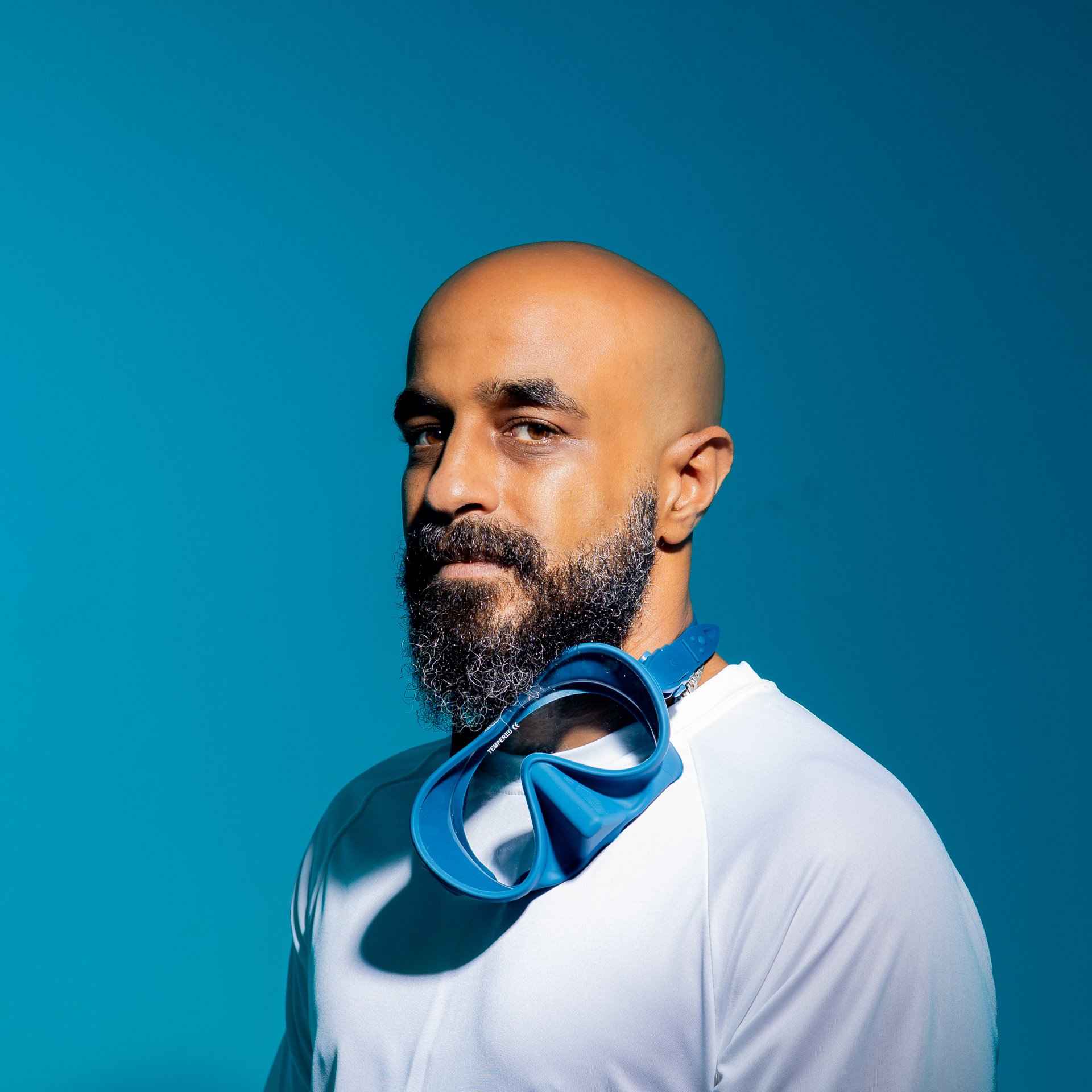
Jalvan
Underwater Photographer & Instructor
Documenting unique marine biodiversity from the Red Sea across the Pacific Ocean. Dedicated to creating a visual catalog of Bahia Solano's marine life for conservation and research.
Video: Osmo Action 5 Pro | GoPro
Follow my work:
REFERENCES & DATA SOURCES
- Scientific ID: Verified via FishBase.
- Field Guide: Reef Fish Identification: Baja to Panama (Humann & DeLoach).
- Regional Data: Ankla Azul Marine Observation Log (Bahia Solano).
More Than Kicking Your Fins
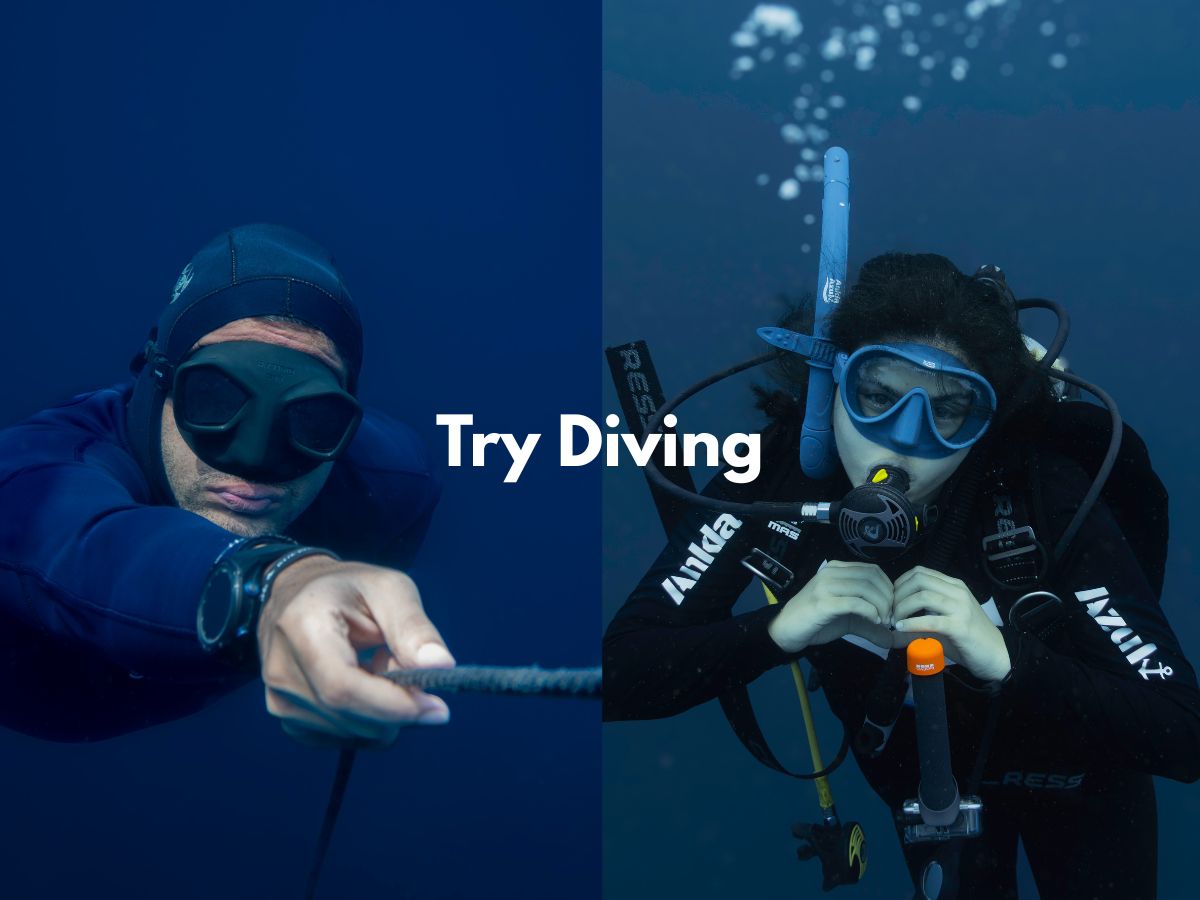
At Ankla Azul, diving is more than kicking your fins. It's patient teaching, sharp safety, and real care for the place we call home. As an SSI Instructor Training Center and an SSI Blue Oceans Center (2025 award), we blend skill-building with ocean awareness—Fish ID, coral nursery work, community education, and rescue support—so every dive grows confidence and respect for Bahía Solano's wild Pacific.