
Balloonfish
Diodon holocanthus
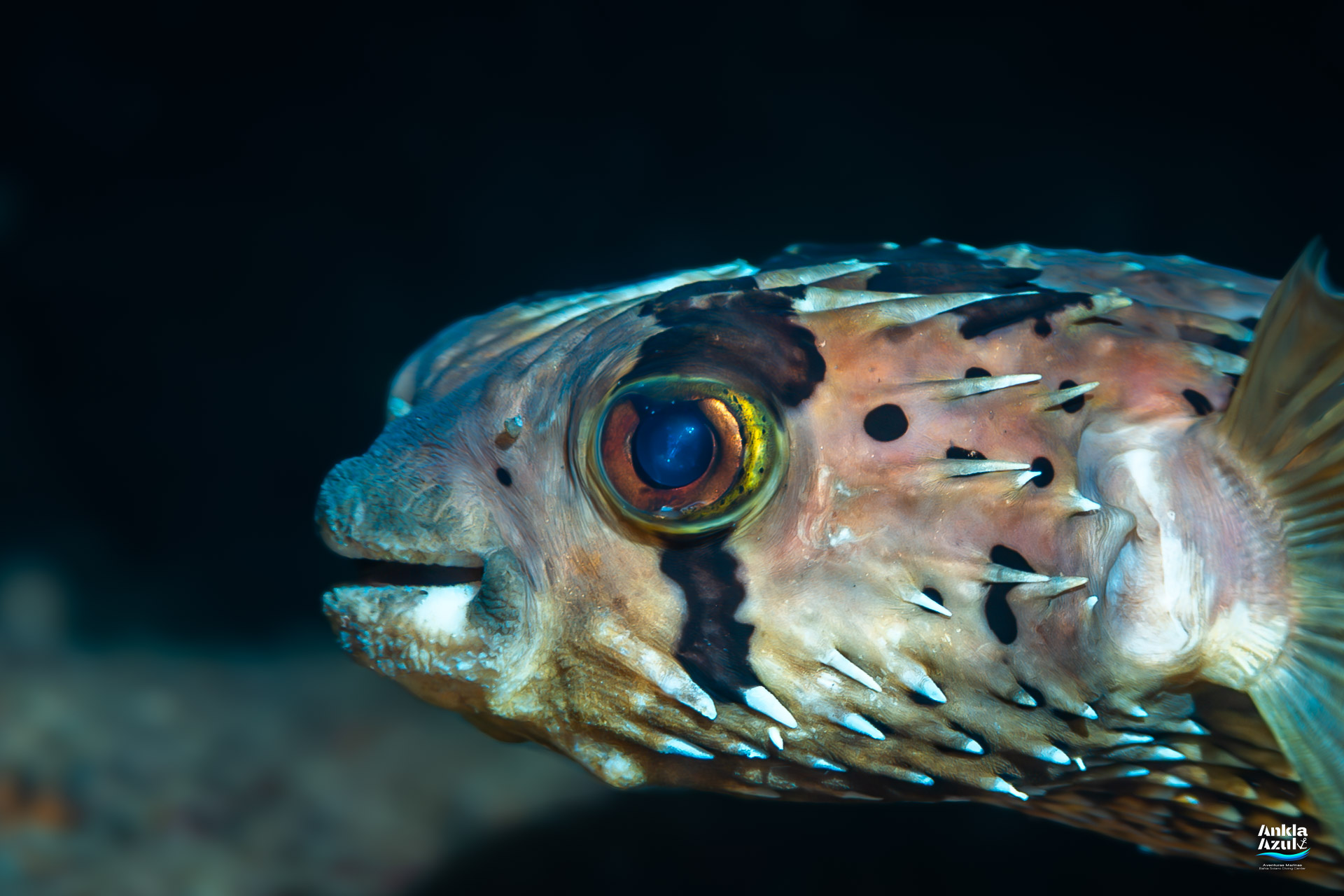
Adult
Family: Porcupinefishes (Diodontidae)
Size: Up to 50 cm (20 in) | Common: 15 cm
Depth: 2 – 200m (6 – 650ft)
Distribution: Circumtropical (Atlantic, Indian, and Pacific Oceans).
Identification:
The underwater comedian with a flair for drama. Also known as the Long-spine Porcupinefish.
- Appearance: It features a round, pale body covered in large black blotches and spots. A distinct dark brown bar runs vertically through the eye.
- Spines: Unlike the boxfish, its body is covered in long, sharp spines that lay flat against the body when calm.
- Lookalike: It is often confused with the Spot-fin Porcupinefish. The key difference is the fins: the Balloonfish has clear or yellowish fins without spots, whereas the Spot-fin has spotted fins.
Behavior:
A nocturnal hunter with a unique defense.
- Defense: When threatened or startled, it gulps water and inflates like a prickly balloon, erecting its long spines to deter predators.
- Diet: It is a poor swimmer that hunts at night. It uses its powerful beak (fused teeth) to crush hard-shelled invertebrates like sea urchins, hermit crabs, and mollusks.
- In Bahia Solano: They are usually seen solitary over sandy bottoms or hiding in reef crevices during the day.
You just learned about this fish...
NOW COME SEE IT!
Behind the Lens
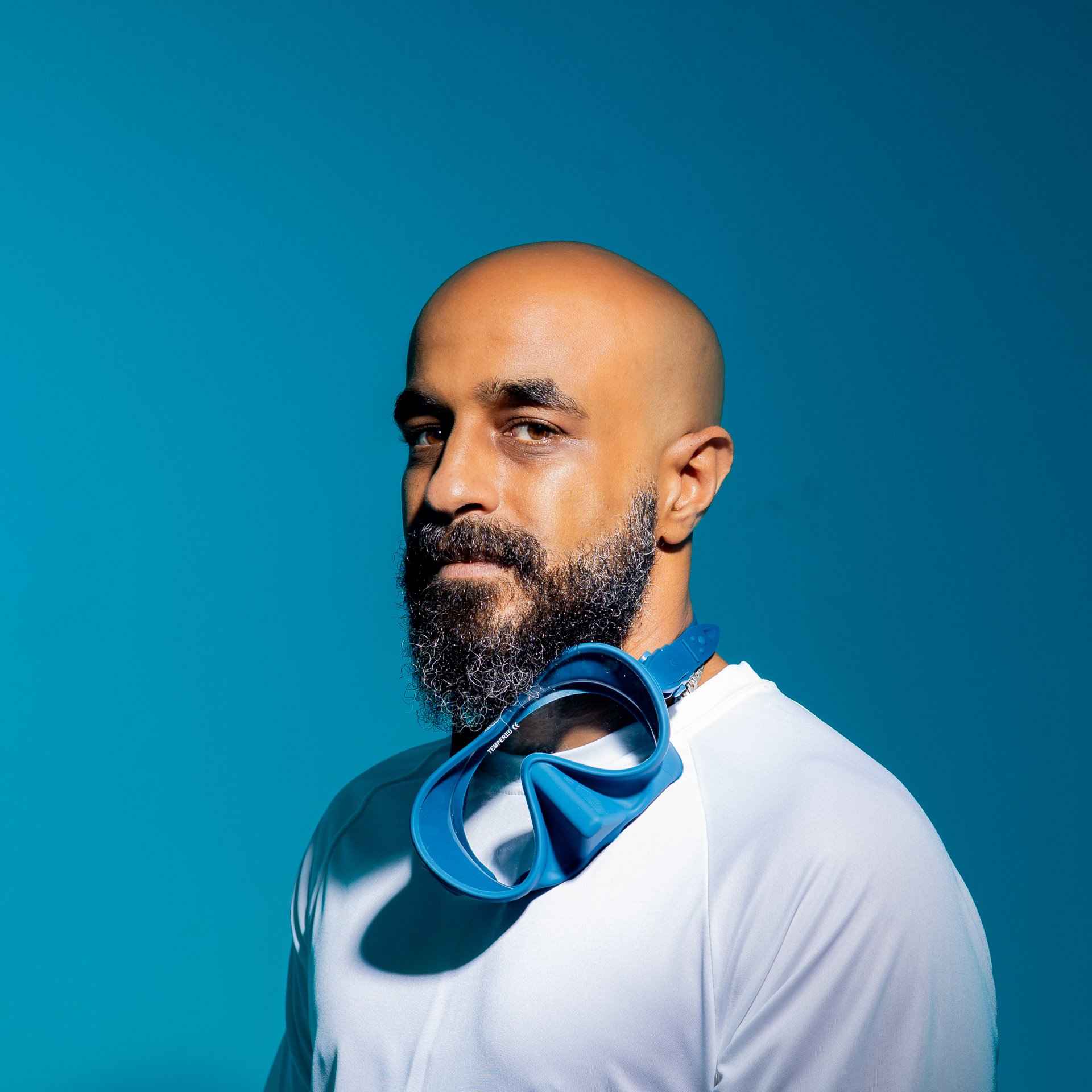
Jalvan
Underwater Photographer & Instructor
Documenting unique marine biodiversity from the Red Sea across the Pacific Ocean. Dedicated to creating a visual catalog of Bahia Solano's marine life for conservation and research.
Video: Osmo Action 5 Pro | GoPro
Follow my work:
advertisement
REFERENCES & DATA SOURCES
- Scientific ID: Verified via FishBase.
- Field Guide: Reef Fish Identification: Baja to Panama (Humann & DeLoach).
- Regional Data: Ankla Azul Marine Observation Log (Bahia Solano).
More Than Kicking Your Fins
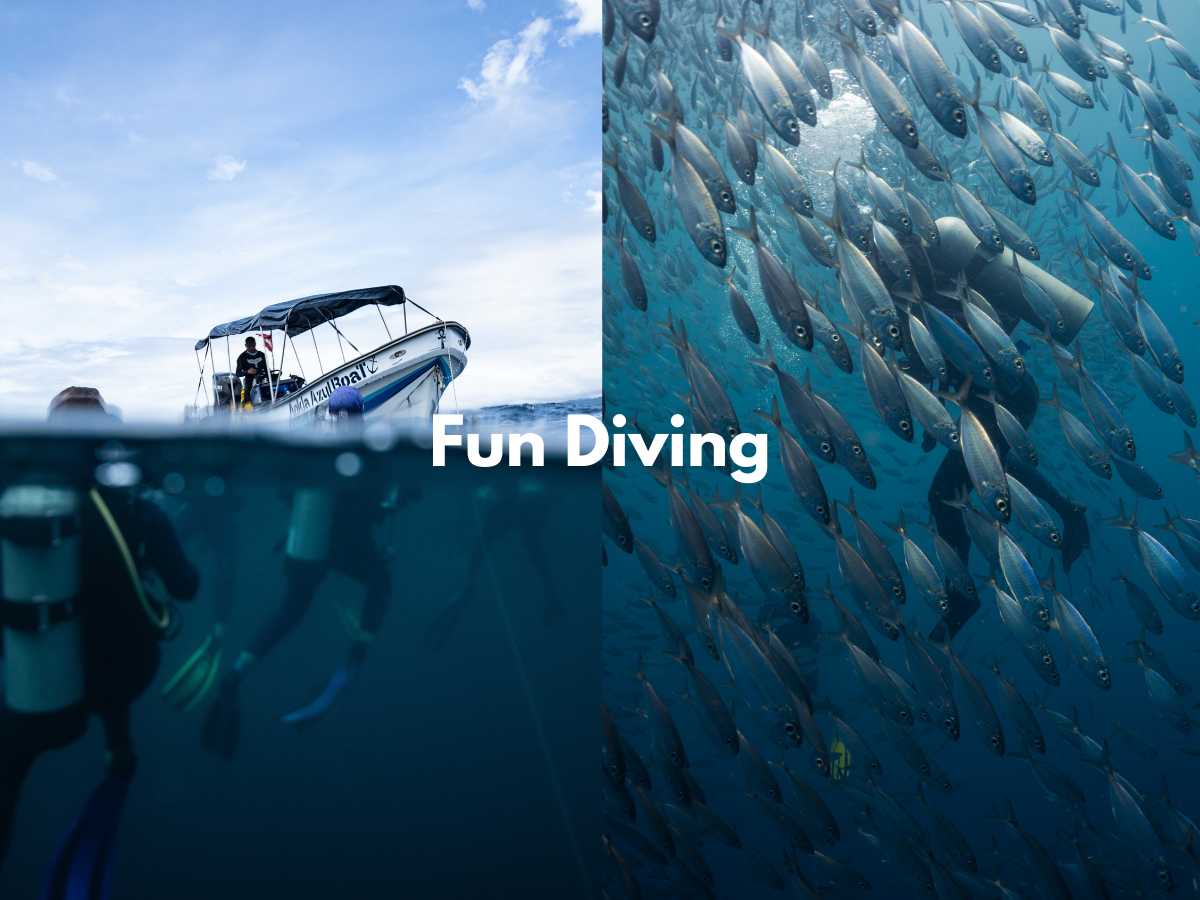
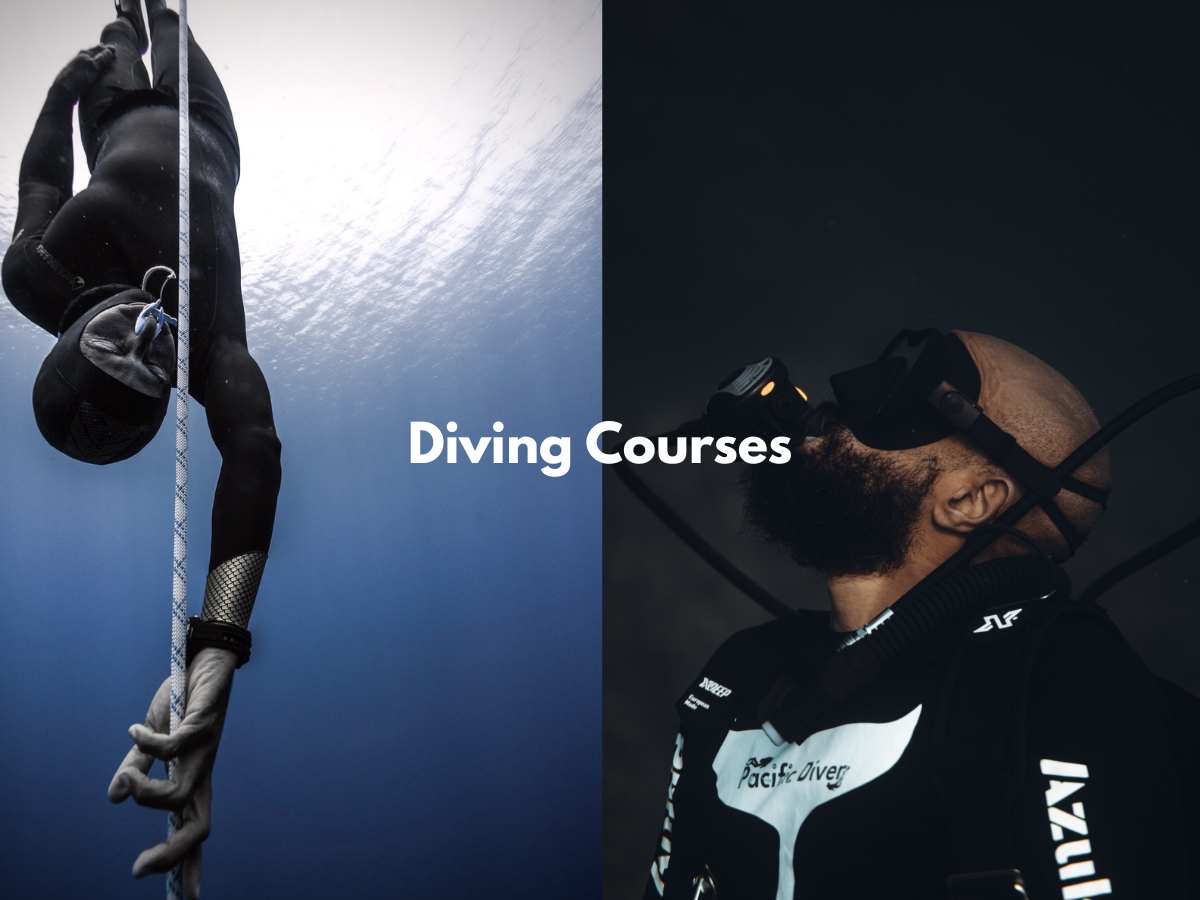
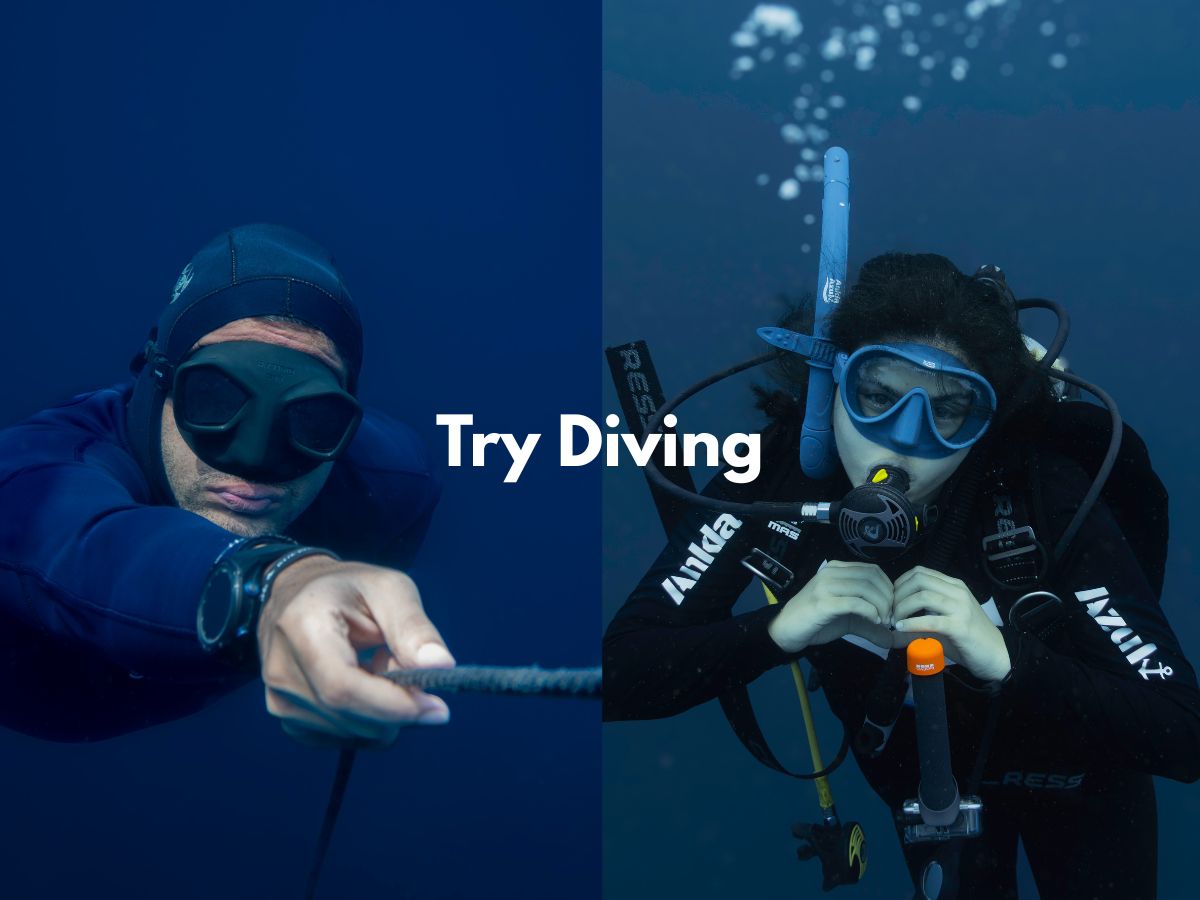
At Ankla Azul, diving is more than kicking your fins. It's patient teaching, sharp safety, and real care for the place we call home. As an SSI Instructor Training Center and an SSI Blue Oceans Center (2025 award), we blend skill-building with ocean awareness—Fish ID, coral nursery work, community education, and rescue support—so every dive grows confidence and respect for Bahía Solano's wild Pacific.