
Brassy Chub
Kyphosus vaigiensis
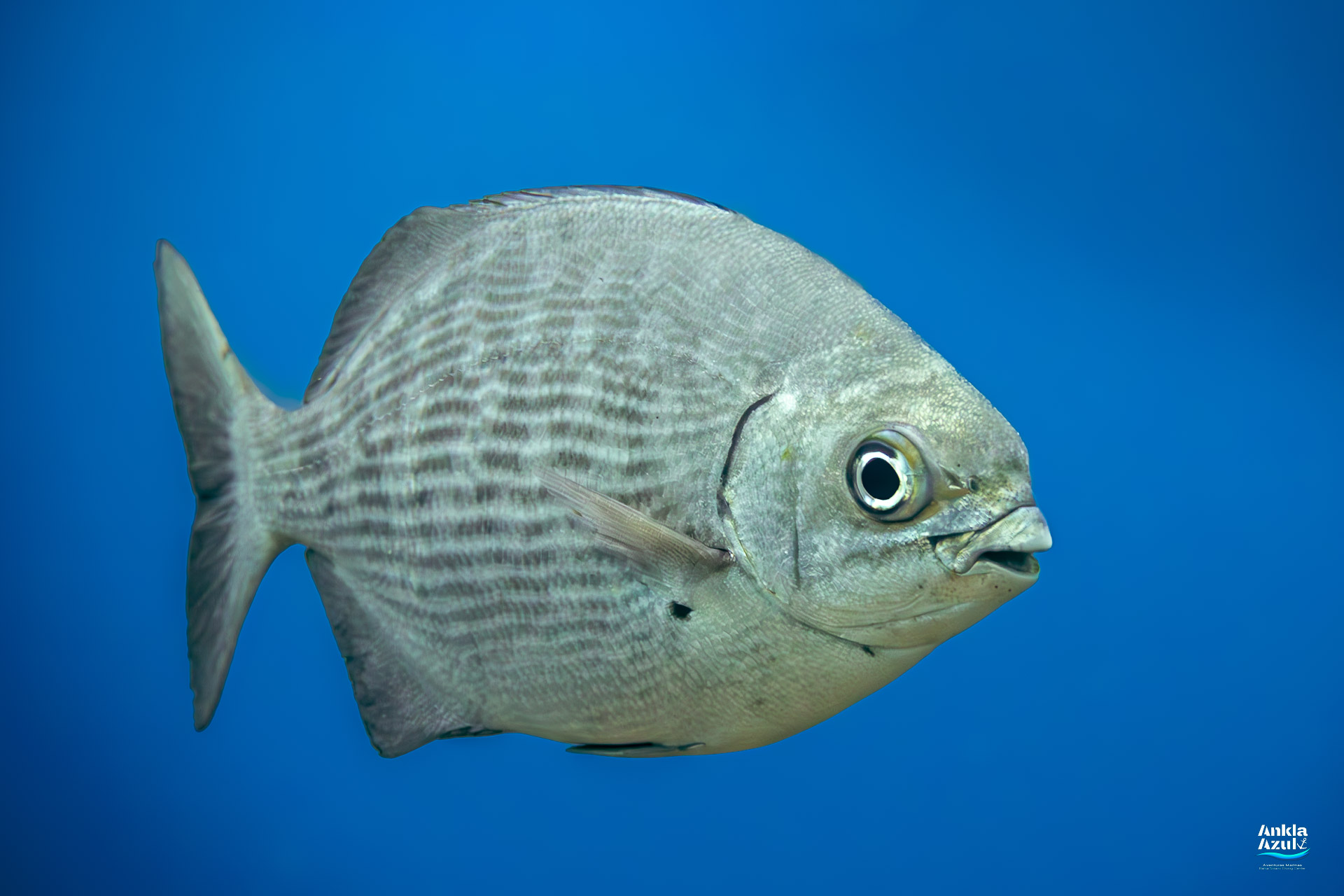
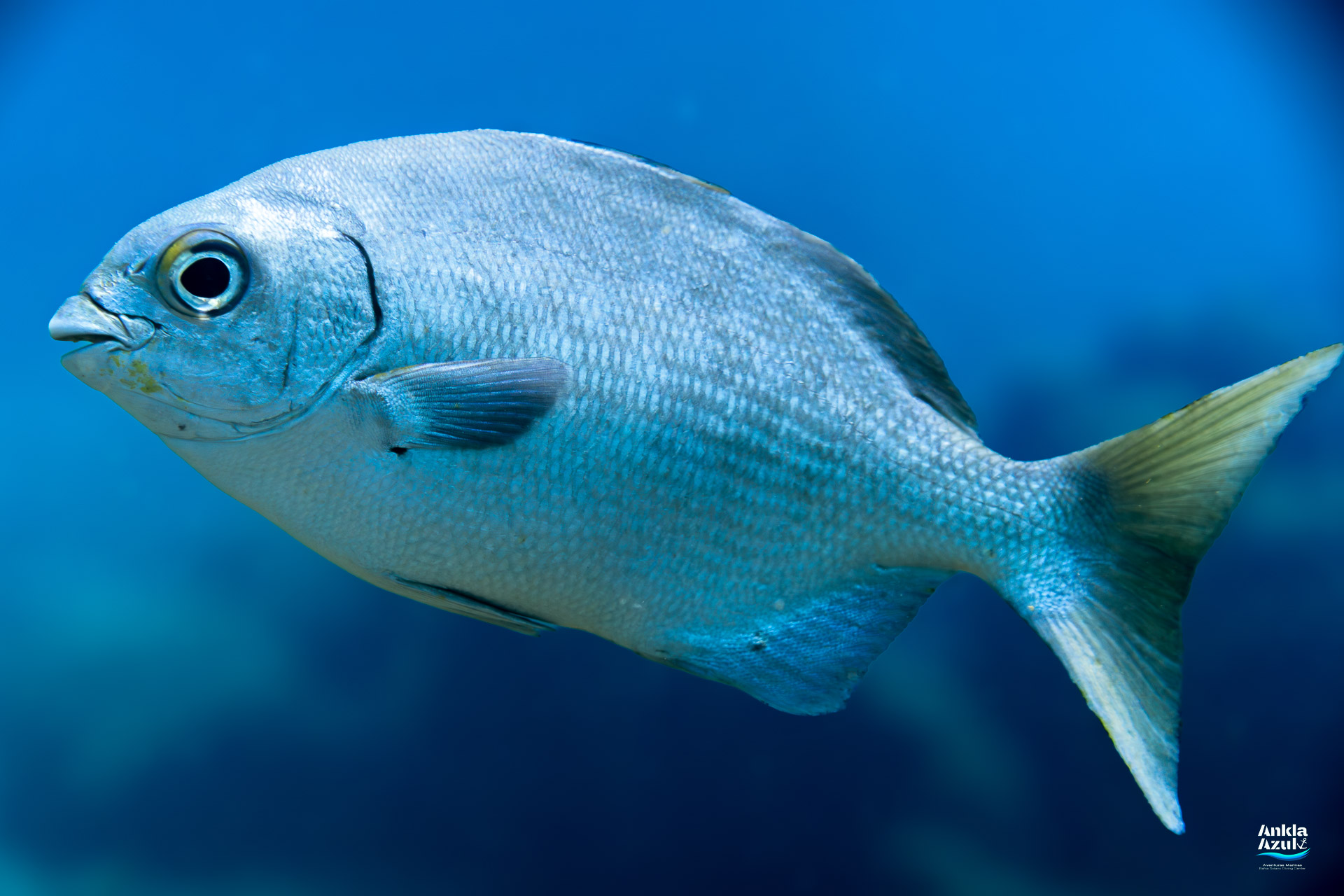
Adult
Family: Sea Chubs (Kyphosidae)
Size: Up to 50 cm (20 in) | Max: 70 cm
Depth: 1 – 40m (3 – 130ft)
Distribution: Tropical Indo-Pacific and Eastern Pacific Ocean.
Identification:
A robust, oval-shaped swimmer often overlooked but vital to the reef.
- Appearance: It has a silvery-grey body characterized by distinct horizontal "brassy" or dull yellow stripes running along its sides. It has a small mouth, large eyes, and a slightly forked tail.
- Habitat: They prefer hard bottoms and exposed reef flats where algae growth is abundant. While adults stay near the shore, juveniles are often pelagic (living in the open ocean) associated with floating drifting objects.
Behavior:
The grazers of the shallow reef.
- Dietary Habits: They are primarily herbivorous, feeding on brown and green algae (like Turbinaria). However, studies suggest they can be opportunistic, switching to a carnivorous diet in certain seasons to feed on small invertebrates.
- In Bahia Solano: You will usually see them swimming rapidly over rocky reefs, along walls, and drop-offs. They can be seen solitary or forming schools in the surge zone.
You just learned about this fish...
NOW COME SEE IT!
Behind the Lens
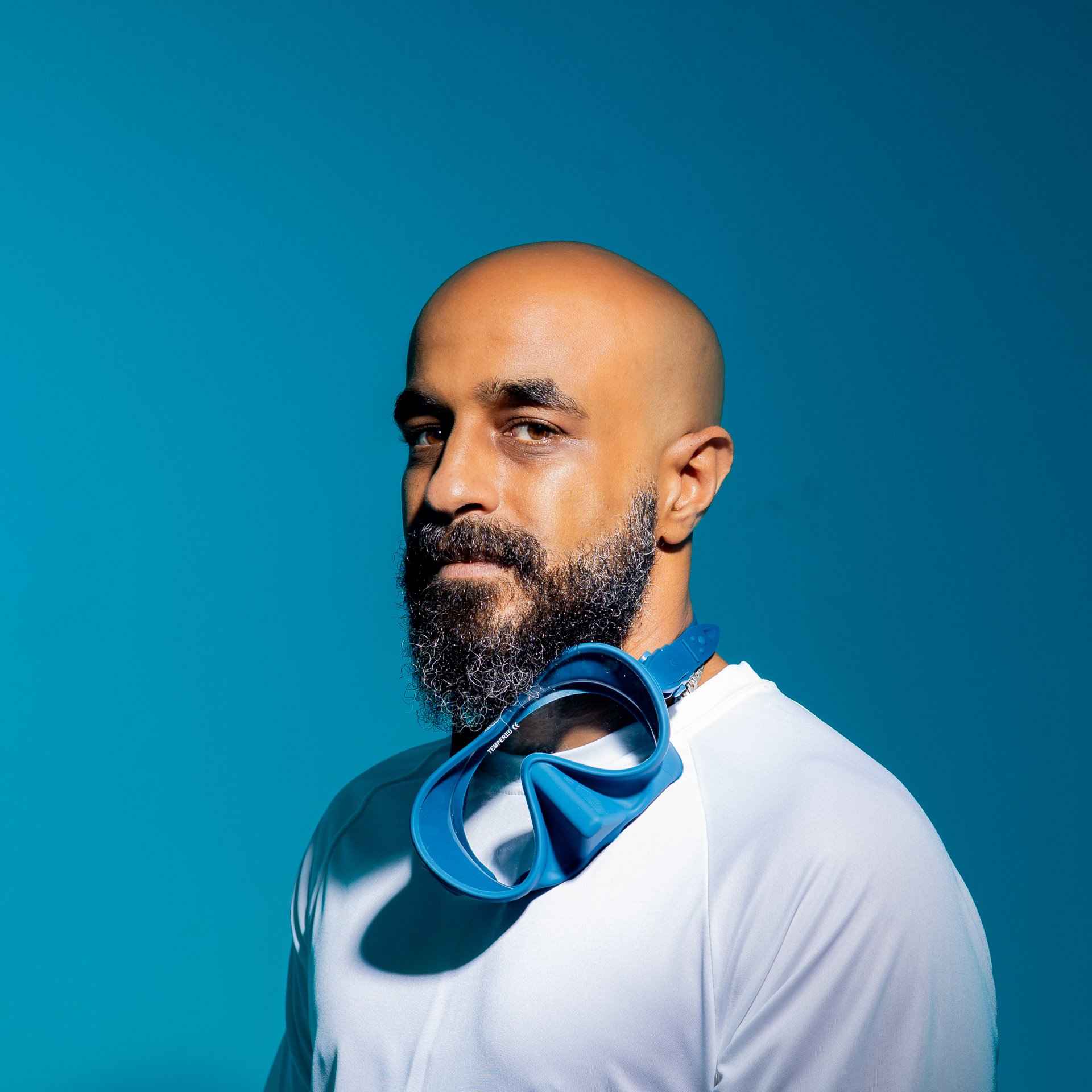
Jalvan
Underwater Photographer & Instructor
Documenting unique marine biodiversity from the Red Sea across the Pacific Ocean. Dedicated to creating a visual catalog of Bahia Solano's marine life for conservation and research.
Video: Osmo Action 5 Pro | GoPro
Follow my work:
advertisement
REFERENCES & DATA SOURCES
- Scientific ID: Verified via FishBase.
- Field Guide: Reef Fish Identification: Baja to Panama (Humann & DeLoach).
- Regional Data: Ankla Azul Marine Observation Log (Bahia Solano).
More Than Kicking Your Fins
At Ankla Azul, diving is more than kicking your fins. It's patient teaching, sharp safety, and real care for the place we call home. As an SSI Instructor Training Center and an SSI Blue Oceans Center (2025 award), we blend skill-building with ocean awareness—Fish ID, coral nursery work, community education, and rescue support—so every dive grows confidence and respect for Bahía Solano's wild Pacific.