
Spotted Boxfish
Ostracion meleagris
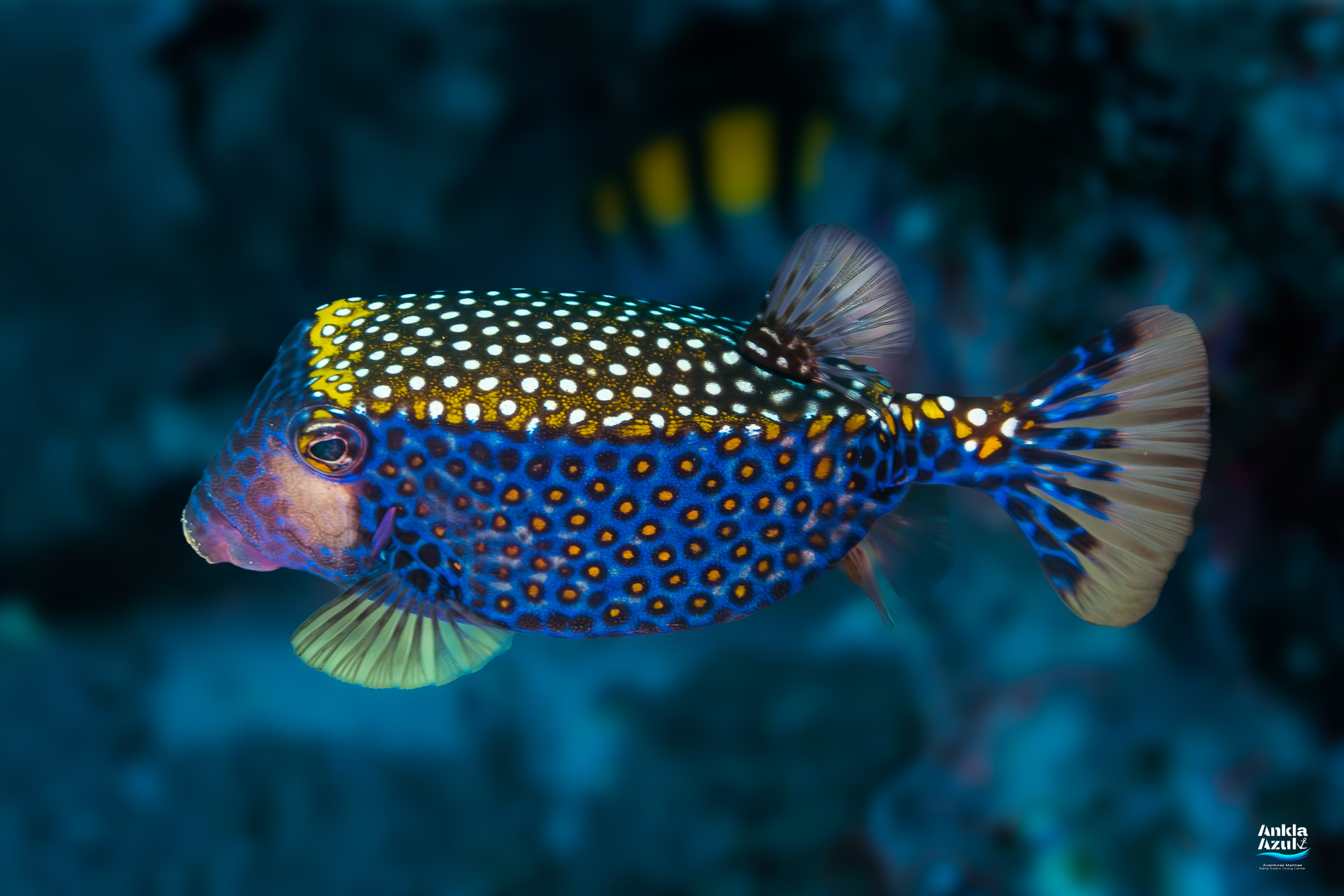
Adult
Male
Family: Boxfishes (Ostraciidae)
Size: 15 – 25 cm (6 – 10 in) | Weight: ~180g
Depth: 3 – 30m (10 – 100ft)
Distribution: Tropical Indo-Pacific and Eastern Pacific Ocean.
Identification:
A fish with two faces. This species displays extreme sexual dimorphism, meaning males and females look completely different.
- Females & Juveniles: They have a box-shaped body that is dark brown or black, covered entirely in small white spots. This pattern helps them blend into the shadows of the reef.
- Adult Males: They transform into a vibrant blue color with bright orange bands and spots on the sides. This coloration advertises their toxicity to predators.
- Shape: Unlike most fish, they have a rigid, hexagonal bony carapace (exoskeleton) that acts like armor, leaving only their fins, eyes, and mouth free to move.
Behavior:
A shy but toxic swimmer.
- Defense: They are poor swimmers due to their rigid bodies. To compensate, they have a chemical defense mechanism: when stressed or threatened, they can release a toxic slime (ostracitoxin) from their skin that repels predators.
- Reproduction: Males are territorial and usually keep a "harem" of several females within their territory. Spawning occurs at dusk, where the pair rises several meters above the reef to release eggs.
You just learned about this fish...
NOW COME SEE IT!
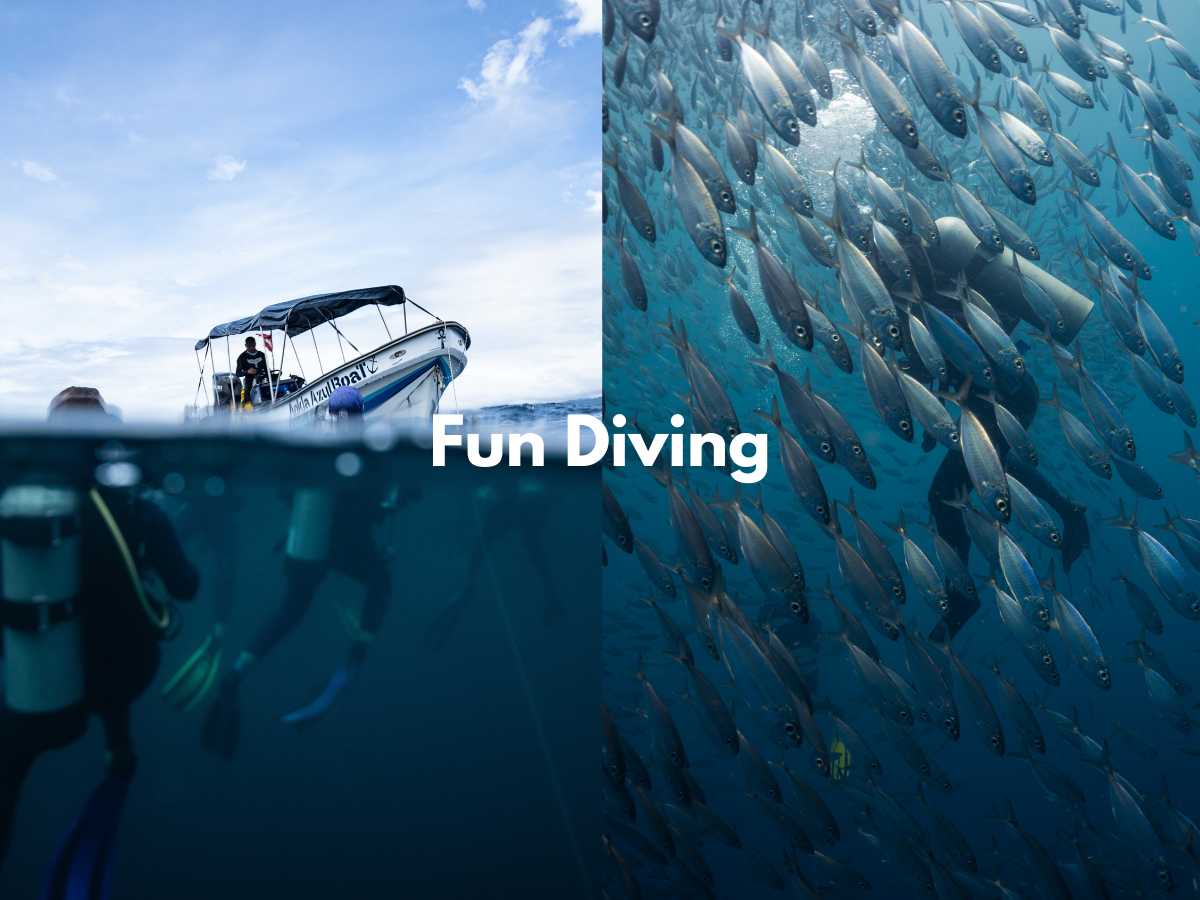
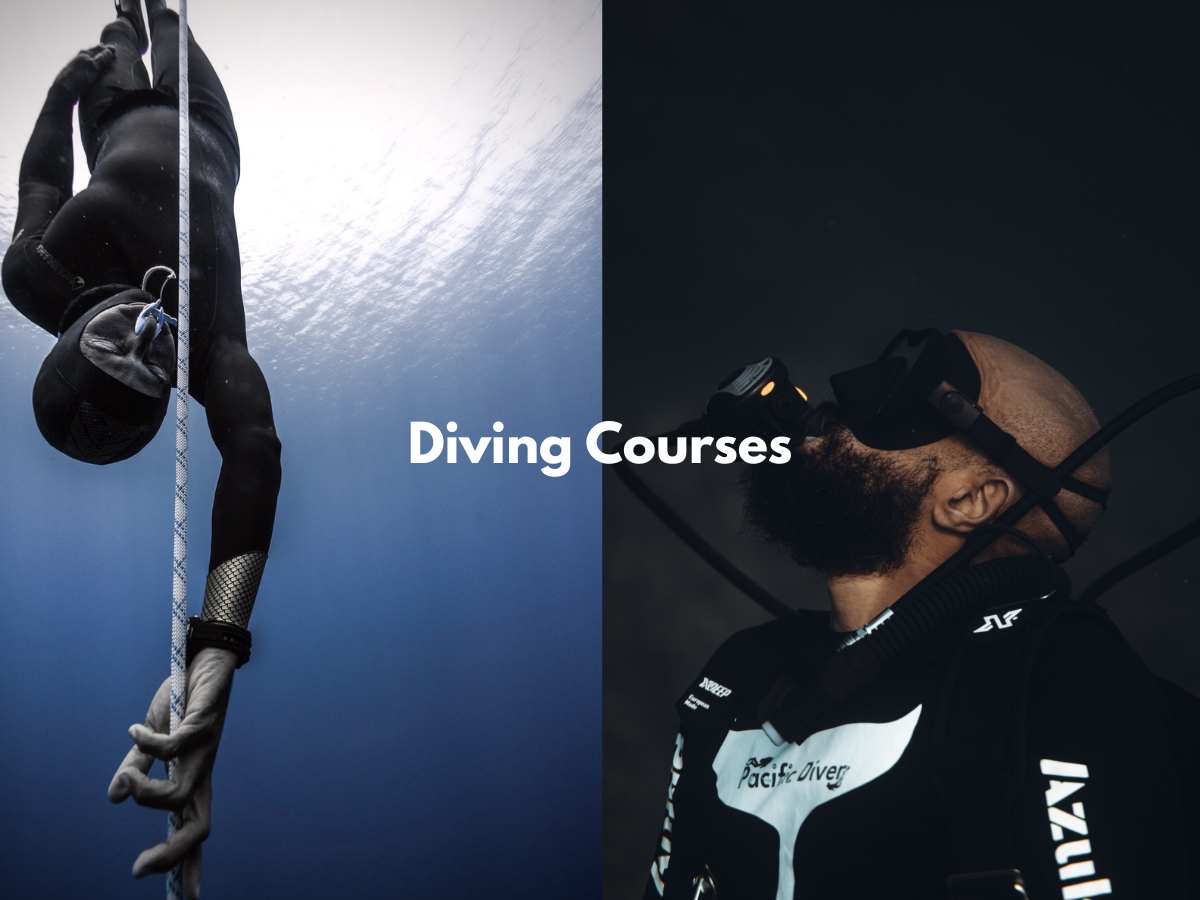
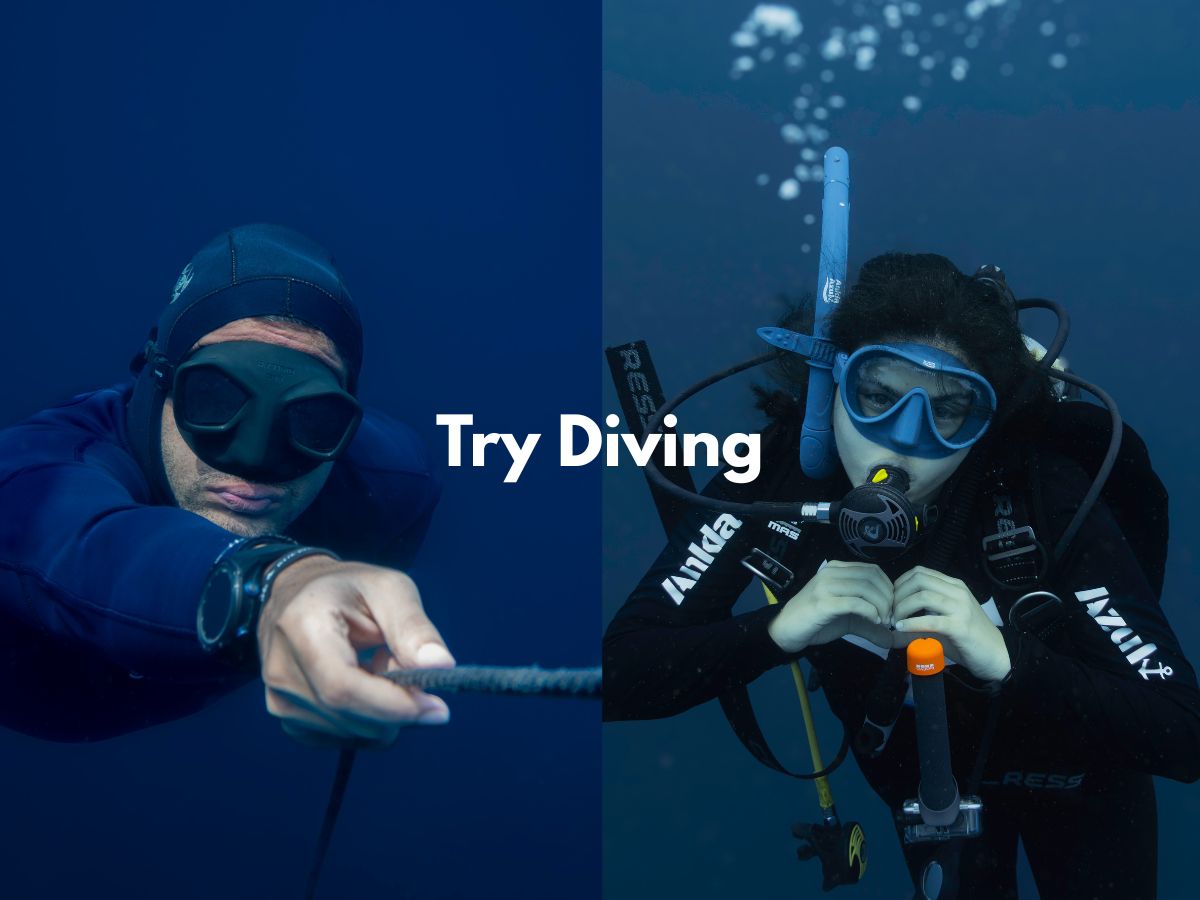
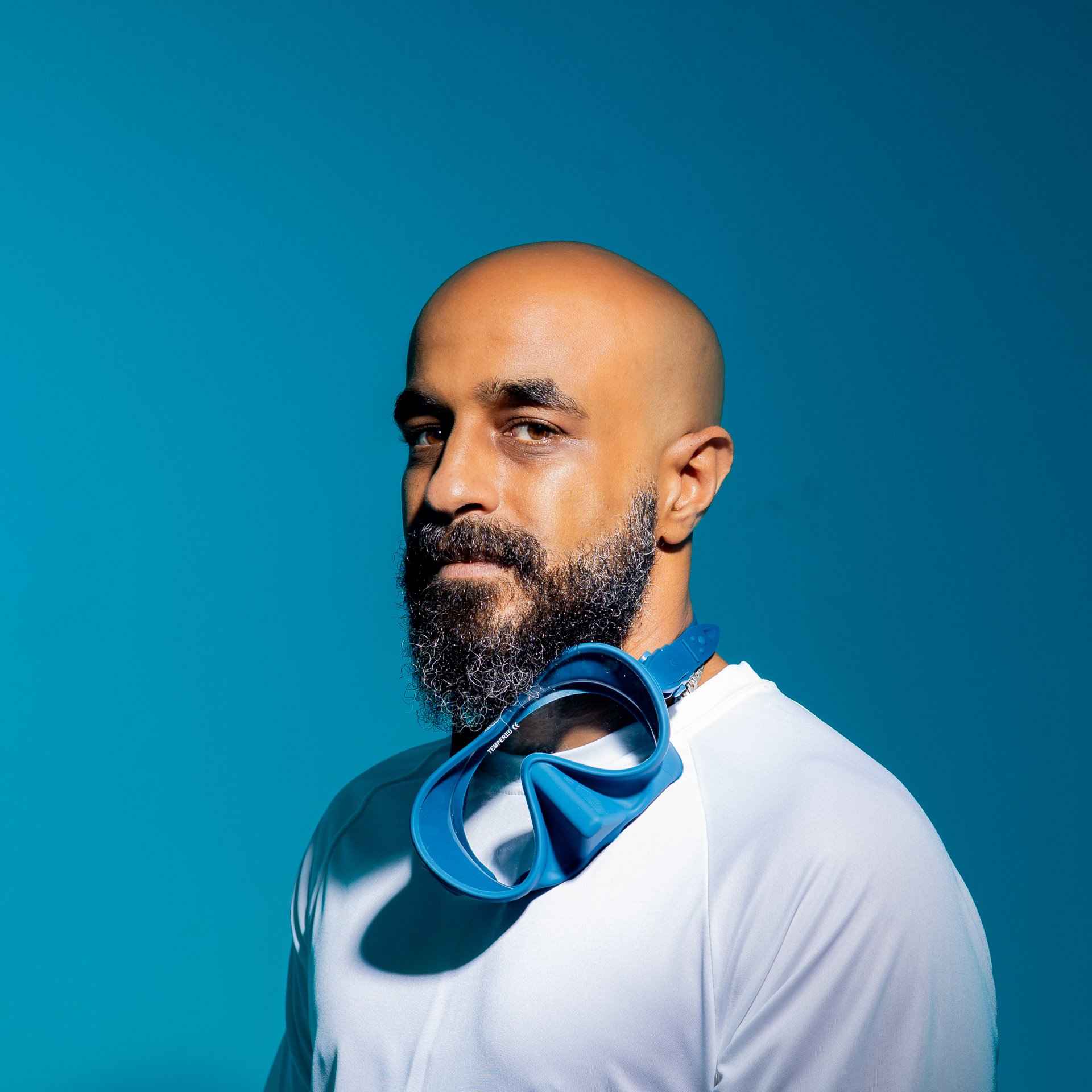
Behind the Lens
Jalvan
Underwater Photographer & Instructor
Documenting unique marine biodiversity from the Red Sea across the Pacific Ocean. Dedicated to creating a visual catalog of Bahia Solano's marine life for conservation and research.
Video: Osmo Action 5 Pro | GoPro
Follow my work:
advertisement
REFERENCES & DATA SOURCES
- Scientific ID: Verified via FishBase.
- Field Guide: Reef Fish Identification: Baja to Panama (Humann & DeLoach).
- Regional Data: Ankla Azul Marine Observation Log (Bahia Solano).
More Than Kicking Your Fins
At Ankla Azul, diving is more than kicking your fins. It's patient teaching, sharp safety, and real care for the place we call home. As an SSI Instructor Training Center and an SSI Blue Oceans Center (2025 award), we blend skill-building with ocean awareness—Fish ID, coral nursery work, community education, and rescue support—so every dive grows confidence and respect for Bahía Solano's wild Pacific.