White-spotted Puffer
Arothron hispidus
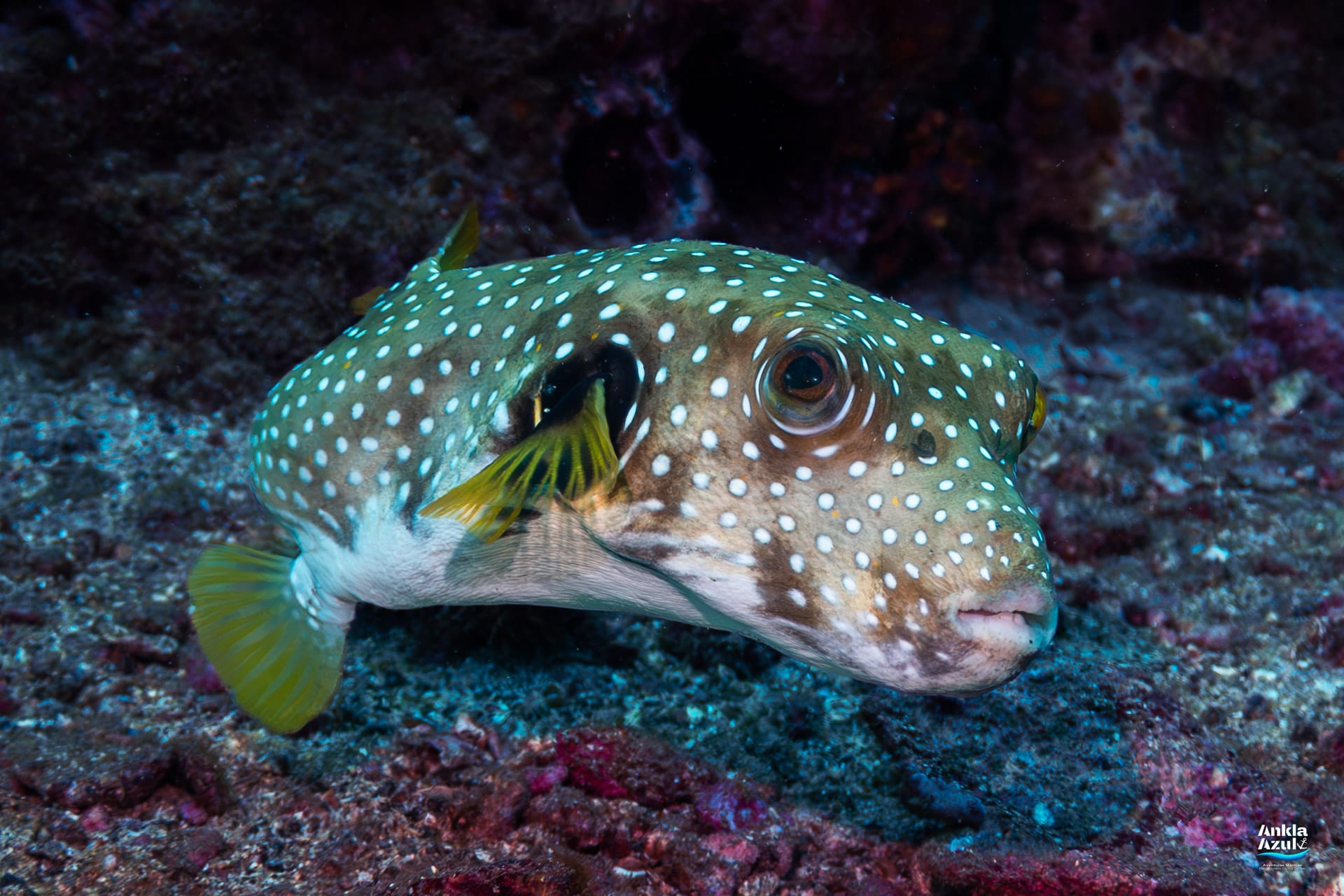
Adulto
Familia: Peces Globo ((Tetraodontidae))
Tamaño: Hasta 50 cm (20 in) | Común 35 cm
Profundidad: 3 – 50m (10 – 160ft)
Distribución: Ampliamente distribuido en el Indo-Pacífico y el Pacífico Oriental (desde Baja California hasta Panamá y Ecuador, incluyendo las Islas Galápagos).
Identificación: Un pez robusto y de movimiento lento con marcas inconfundibles.
- Color y Patrón: El cuerpo es de color gris parduzco a verdoso, con el vientre blanco. El dorso y los costados están cubiertos por distintivas manchas blancas bien separadas entre sí.
- Los ojos y las aletas: Destacan los prominentes anillos blancos concéntricos que rodean los ojos y la base de las aletas pectorales. Las aletas suelen presentar una tonalidad amarillenta o translúcida.
Comportamiento: Un crucero tóxico del arrecife.
- Mecanismo de defensa: Como todos los peces globo, carece de aletas pélvicas y es un nadador relativamente lento. Cuando se siente amenazado, puede tragar rápidamente agua para inflar su estómago altamente elástico, convirtiéndose en una gran esfera que resulta muy difícil de ingerir para los depredadores.
- Toxicidad: Su piel y sus órganos internos contienen tetrodotoxina, una potente neurotoxina producida por bacterias simbióticas, lo que hace que su consumo pueda ser mortal.
- Dieta: Utiliza su fuerte pico formado por dientes fusionados para triturar invertebrados de caparazón duro, como crustáceos, moluscos y erizos de mar. También se alimenta de algas y esponjas.
Acabas de aprender sobre este pez…
¡AHORA VEN A VERLO!
Tras el lente
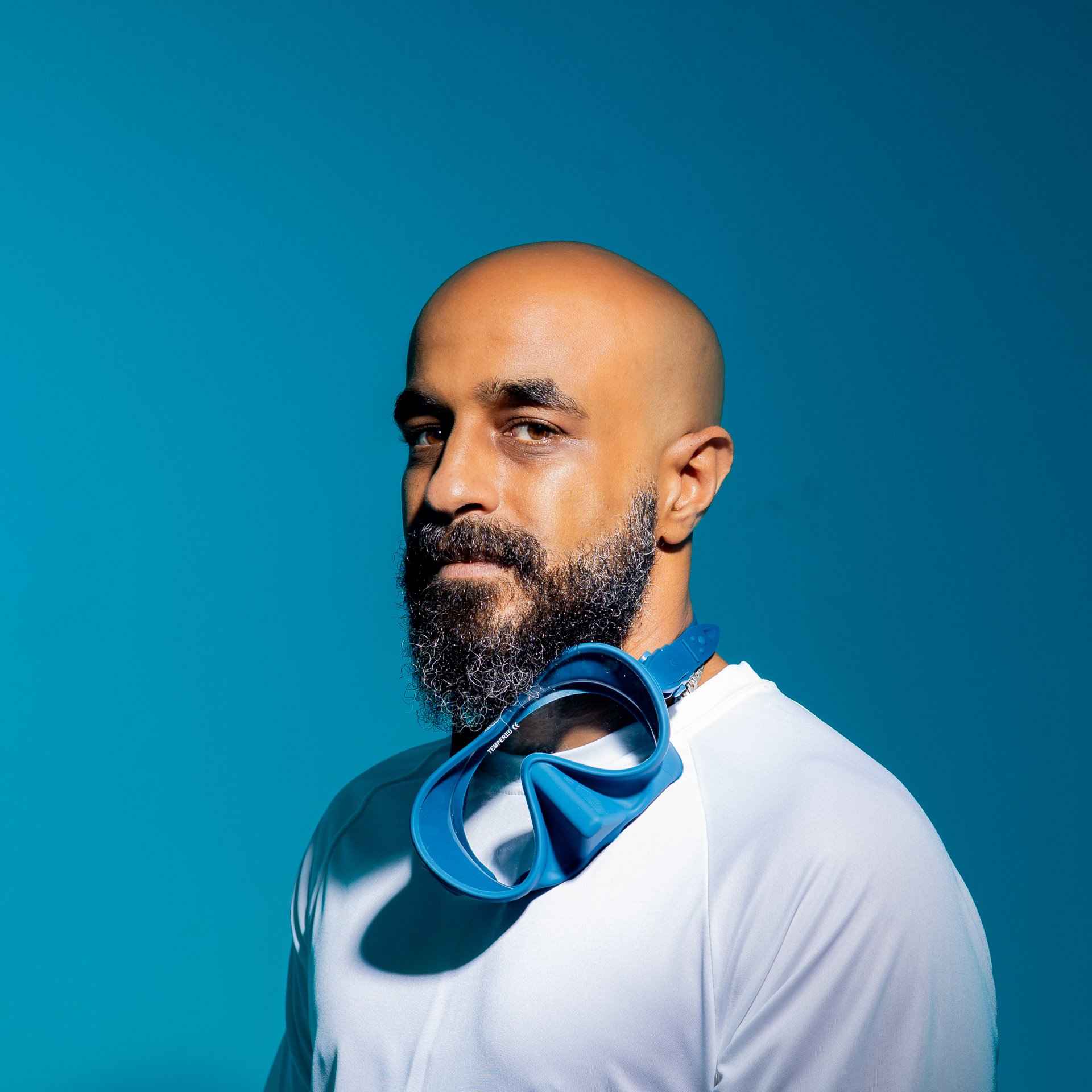
Jalvan
Fotógrafo subacuático & instructor
Documentando la biodiversidad marina única desde el Mar Rojo hasta el Océano Pacífico.. Dedicated to creating a visual catalog of Bahia Solano's marine life for conservation and research.
Video Osmo Action 5 Pro | GoPro
Sigue mi trabajo:
advertisement
REFERENCIAS Y FUENTES DE DATOS
- Scientific ID: Verified via FishBase (Froese & Pauly).
- Guía de campo: Reef Fish Identification: Baja to Panama (Humann & DeLoach).
- Datos regionales: Registro de Observaciones Marinas de Ankla Azul (Bahía Solano).
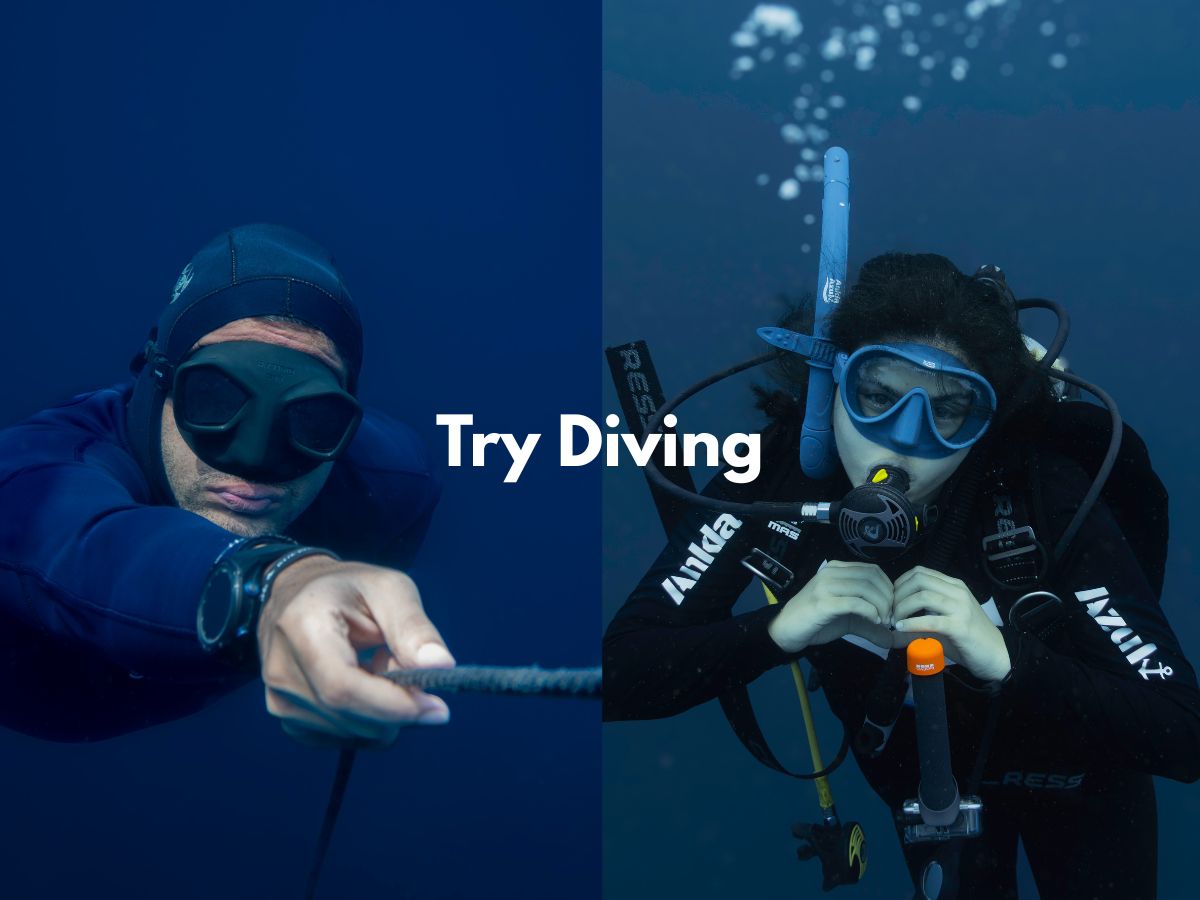
Mucho más que solo mover las aletas
En Ankla Azul, el buceo es mucho más que mover las aletas. Es enseñanza paciente, seguridad rigurosa y un cuidado genuino por el lugar que llamamos hogar. Como Centro de Formación de Instructores SSI y Centro SSI Blue Oceans (reconocimiento 2025), combinamos el desarrollo de habilidades con la conciencia oceánica—identificación de peces, trabajo en viveros de coral, educación comunitaria y apoyo en rescate—para que cada inmersión fortalezca la confianza y el respeto por el Pacífico salvaje de Bahía Solano.